Contemporary architecture increasingly seeks to reconnect living spaces with nature. This approach goes beyond simply adding a few plants; it is based on a genuine reflection on the balance between materials, forms, and the environment.
In this article
A continuity between interior and exterior
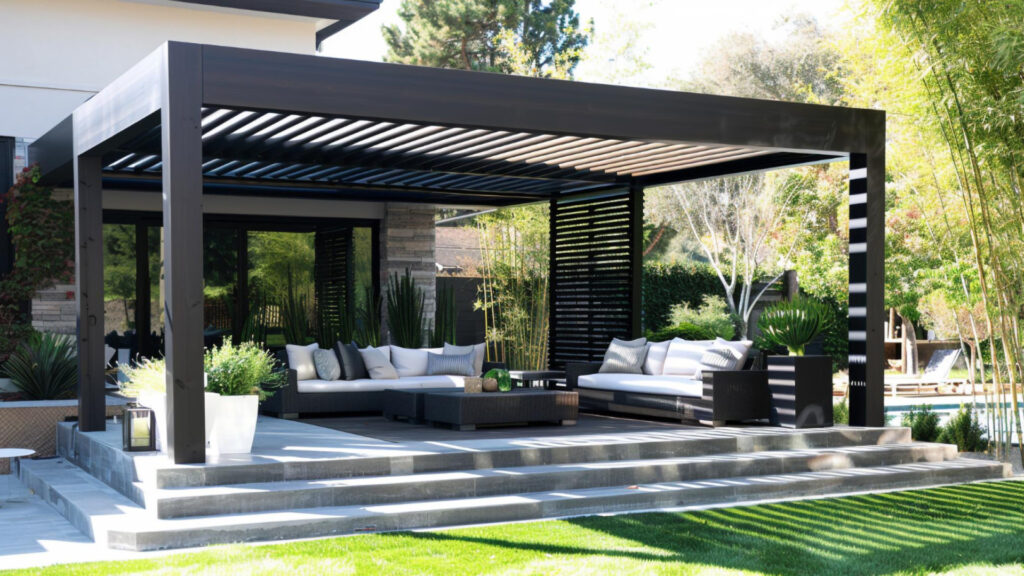
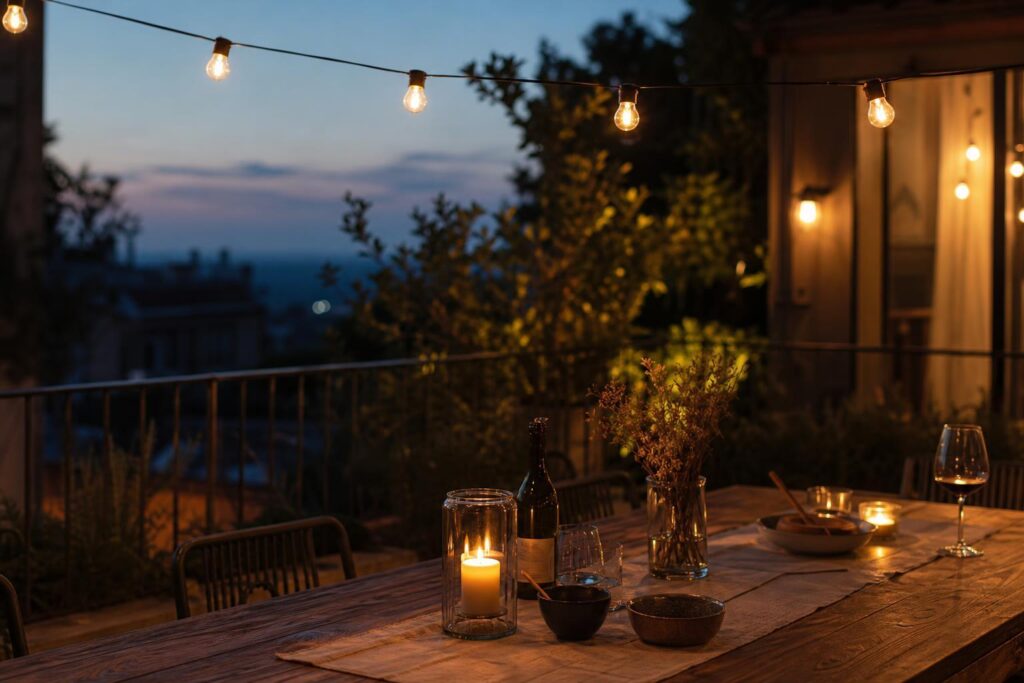
One of the fundamental principles is to create a seamless transition between the interior and exterior. Large openings, bay windows, and terraces extend the living spaces into the garden.
This continuity allows natural light to enter and enhances the feeling of spaciousness. The garden then becomes a direct extension of the house, rather than a separate element.
The importance of natural and sustainable materials
The choice of materials plays a crucial role. Wood, stone, and steel are often used for their ability to blend harmoniously into the environment.
These materials evolve over time and contribute to the overall aesthetic of the project. Solutions like those offered by My Steel allow the integration of structural elements that retain a natural appearance while adding a contemporary touch.
Structuring space with subtlety
Integrating nature into architecture does not mean leaving things to chance. A well-structured garden is essential to creating visual balance.
Elements such as a garden border They allow spaces to be defined discreetly, without disrupting the harmony. They organize the landscape while leaving room for vegetation.
This approach avoids overly marked separations and promotes a fluid reading of the space.
Highlighting the plant life
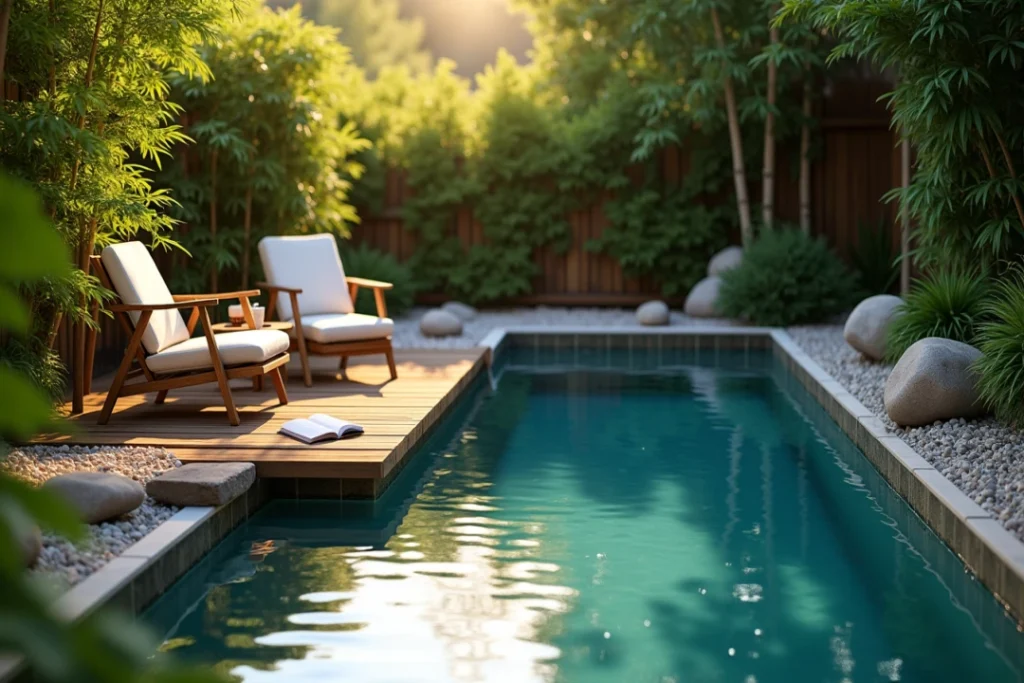
Plants are becoming a central element of design. Rather than multiplying species, it is often preferable to select a few well-adapted varieties.
Structuring plants, grasses or trees add volume and movement. They create a living atmosphere that evolves with the seasons.
The goal is to find a balance between controlled nature and spontaneity.
Playing with lines and perspectives
Contemporary architecture is based on clean lines and well-defined perspectives. The garden must follow this logic.
The pathways, plantings, and structural elements guide the eye and create depth. This organization reinforces the coherence between the building and its environment.
To foster a sensory experience
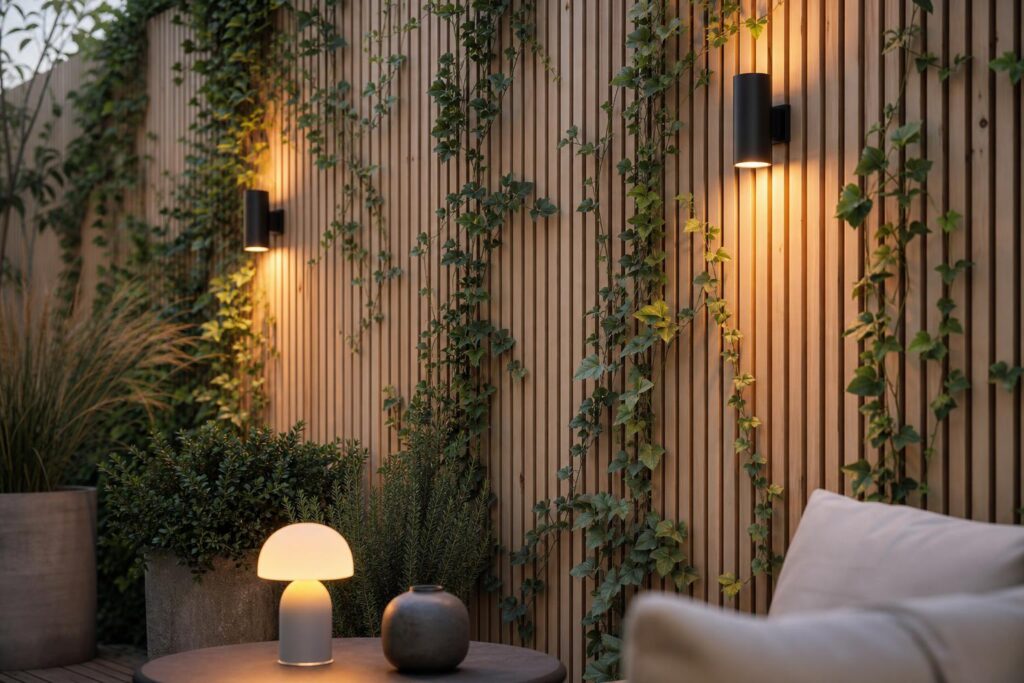
Integrating nature also means thinking about the overall experience. Textures, colors, and sounds all contribute to the atmosphere of the place.
The rustling of plants, the changing light, and the feel of different materials create a soothing atmosphere. The outdoor space becomes a place for relaxation in its own right.
A sustainable and thoughtful approach
The integration of nature into contemporary architecture is also part of a sustainable approach. Design choices aim to minimize maintenance and promote long-lasting solutions.
This involves selecting durable materials and plants adapted to the local climate.
Towards a harmony between habitat and environment
Integrating nature into contemporary architecture means creating a dialogue between the building and the landscape. Each element must find its place within a coherent whole.
By combining design, materials and vegetation, it is possible to design spaces that are modern, functional and deeply connected to their environment.