A small dark stain on your washed linen sheet. A black dot aligned along the seam of your velvet headboard. A tiny rust mark on your silk pillow. You chalk it up to a coffee spill, a wine stain, normal wear and tear. And that's exactly what thousands of owners of high-end bedding told themselves before realizing, weeks later, that these were the first signs of a bed bug infestation.
These nocturnal insects leave very specific marks on textiles. Learning to recognize them, especially on fine materials where they are less visible than on industrial white fabric, can save you months of trouble and preserve your valuable bedding.
Why beautiful materials mask the clues
Standard bed bug detection guides almost always show the same images: fluffy white sheets with clearly visible black stains. The reality is quite different when your home is made of high-quality materials.
On a sheet of natural beige washed linen, bedbug droppings blend in with the irregular texture of the fiber. On a slate gray chambray bed set, dried blood stains go unnoticed. On a headboard of ruby velvet or chocolate linen, the signs become almost undetectable without a meticulous inspection under a lamp.
This is why lovers of high-end textile bedding often discover their infestation at a more advanced stage. The beauty of the materials masks their own warning signs. According to preventive conservation recommendations published by the National Heritage Institute, regular inspection of precious textiles is one of the cornerstones of their long-term preservation, and this logic applies perfectly to a richly textiled interior.
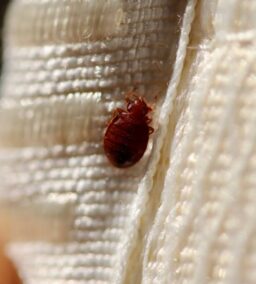
The four types of traces to know
French health authorities have published official identification sheets, including that of...Ameli, the French National Health InsuranceThis document lists the main signs of infestation to look out for. Here's what they actually look like on quality textiles.
- Excrement. This is the most frequent and earliest sign. Tiny black dots, the size of a pen tip, usually in a line or clustered together. The consistency is similar to dried ink. On light-colored fabrics, they resemble finely sprinkled coffee grounds. On dark fabrics, you need a bright light and a keen eye to spot them. The areas where they are most commonly found are the side seams of mattresses, corners, headboard hems, and the edges of pillowcases.
- Dried blood stains. When a bed bug is crushed while sleeping, it releases the blood it has just consumed. This leaves a reddish-brown to dark brown stain, ranging in size from a pinhead to a grain of rice. The shape is often irregular, sometimes comma-shaped. On white cotton, it is very visible. On natural linen or colored satin, it is much more subtle and often mistaken for a simple drop of coffee or chocolate.
- The molting of larvae. Bed bugs molt five times during their development. With each molt, they shed their previous skin: a small, translucent, slightly golden skin, a few millimeters long, resembling a very thin piece of cellophane. These can be found in seams, under mattress buttons, and in the folds of covers. They make a slight cracking sound when pinched between two fingers.
- The eggs. Less common to spot but possible with careful inspection. They measure less than a millimeter, are pearly white, oval, and are glued in clusters of three to ten in the cracks of the wood of the headboard, in deep seams or under the tufted buttons.
Specific areas to inspect on high-end bedding
The inspection should be done in natural light or with a strong white lamp (yellow light masks dark marks). Ideally, do it in the morning, after removing the sheets and mattress protector.
The side seams of the mattress are the first area to inspect. Lift the mattress and examine all four seams, paying particular attention to the four corners. Bed bugs tend to congregate near their entry points, close to the edges.
The fabric headboard deserves special attention. Check the back, wall fixings, hems, and button tufting. On high-end headboards with trim, examine each pleat carefully.
The box spring, often overlooked, is a favorite hiding place. Turn it over if possible and inspect the fabric underneath, including the corners. Bed bugs can easily establish themselves there because the area is rarely disturbed.
Linen or silk duvet covers, especially if not washed weekly, can contain traces near the hems and closure buttons.
Finally, cushions and throws placed on the bed, especially those made of animal fibers (cashmere, wool, silk), can occasionally harbor bed bugs. Examine the hems and zippers.
Mistaking clues for something else: classic pitfalls
Before concluding that there is an infestation, several other causes can explain dark stains on bedding. These include the droppings of small, harmless insects such as booklice (miniature silverfish), night sweat stains on certain colored fabrics, traces of cosmetics or hair products left on pillowcases, and food spills.
The rule for distinguishing them: traces of bed bugs are almost always grouped (by ten, twenty or more), aligned (over a few centimeters along a seam or fold) and accompanied byat least one other type of index (molts, bloodstains, sometimes a sweetish odor in advanced cases).
What to do when faced with confirmed signs
If the inspection reveals several signs matching the descriptions above, the priority is to stop the infestation from spreading to other rooms in the home. Do not move the mattress or affected textiles to other rooms. Do not use over-the-counter insecticides, which have become largely ineffective since bed bugs have developed resistance to common active ingredients.
The right thing to do is to have the diagnosis confirmed and to arrange appropriate treatment. To go further with visual identification, a detailed guide on bed bug signs It offers precise photos of each type of evidence and explains inspection methods at different stages of infestation, as well as appropriate protocols depending on what you discover.
Preserving its beautiful materials
Bed bugs don't attack textiles per se, unlike moths. They don't eat fabric or create holes. Your washed linen sheets, silk pillows, and velvet headboards are unlikely to be destroyed by their presence. However, an untreated infestation can permanently infest furniture and, in extreme cases, necessitate the removal of certain pieces.
Regular inspection, at least every two months, takes five minutes per room and is the best way to ensure you can fully enjoy your investment in high-end bedding. It's a simple habit that naturally becomes part of the routine for caring for fine materials.