For a long time, the TV stand was primarily considered a practical element in the living room. It housed the television, a few electronic devices, and perhaps a DVD collection. Today, things have changed considerably. Our screens have grown larger, equipment has become more discreet, and the living room has become a true living space where each piece of furniture contributes to the overall ambiance.
Choosing your TV unit therefore deserves a little more thought than it might seem. Wall-mounted or floor-standing? With or without storage? Natural wood, white, black, or a more mineral finish? Behind these aesthetic questions lie very practical considerations.
And since the TV unit usually occupies one of the most viewed walls in the house, it's worth taking the time to find one that will truly fit into the decor.
In this article
Start by observing his living room
Before even looking at the different models of TV stand available, I always find it useful to start by observing the room.
How wide is the wall space we actually have available? Where is the sofa located? Do we need to store a storage unit, a game console, or some books? Can the wall support a wall-mounted unit?
The question of proportions is particularly important.
A 65- or 75-inch television placed on a small piece of furniture will quickly give the impression that the screen overwhelms the room. Conversely, a three-meter-long piece of furniture in a relatively compact living room risks visually monopolizing an entire wall.
This reflection becomes even more relevant when we consider the size of our homes. According to INSEE, the average French primary residence measures 92.5 m², but this average drops to around 63 m² for apartments. In many homes, every square meter deserves to be used wisely.
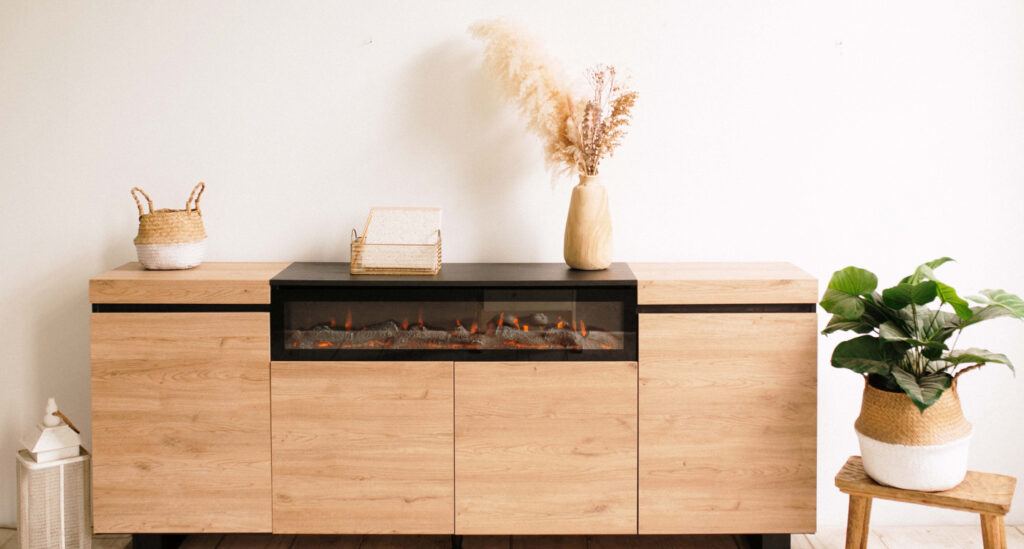
I generally prefer a piece of furniture that is slightly wider than the television. This allows for a more balanced composition and leaves enough space to place a lamp, a few books, or a beautiful handcrafted object without giving the impression that everything is cramped around the screen.
What type of TV stand should I choose?
Fortunately, there is no longer just one type of television unit. Manufacturers now offer solutions adapted to both small apartments and large open-plan living rooms.
The low TV unit is probably the most versatile. Its horizontal silhouette naturally complements today's large screens while maintaining a certain discretion.
The freestanding models, on the other hand, have a different kind of charm. With slender wooden or metal legs, they sometimes evoke Scandinavian furniture from the 1950s and 1960s. They work particularly well when you want to give more personality to the piece of furniture itself.
A taller TV stand can be useful when you need more storage space. Just be careful not to place the screen too high: watching television should never require you to keep your head slightly tilted back for two hours.
Finally, modular compositions allow you to furnish an entire wall with low units, niches, columns, or shelves. It's a solution I really like in large living rooms, provided you leave some empty space. A wall entirely covered in furniture can quickly become overwhelming.
Why is the wall-mounted TV unit so appealing?
This is probably one of the most visible developments of recent years.
THE Wall-mounted TV units They are fixed directly to the wall and leave the floor completely clear. This absence of legs immediately creates an impression of lightness.
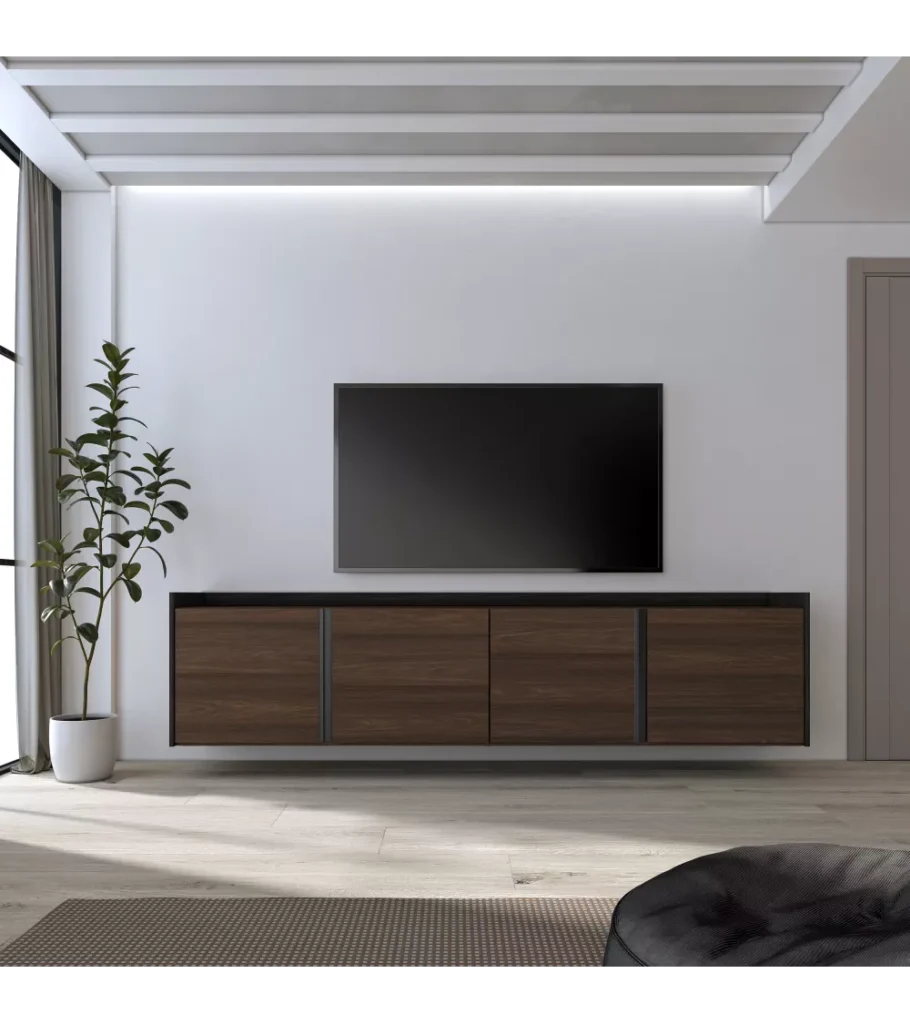
In a small living room, the result can be particularly striking. The eye is drawn under the furniture, and the floor remains visible, creating a feeling of greater space. Cleaning also becomes much easier.
But I find this solution particularly interesting because it allows you to transform the television and its stand into a true wall-mounted display. With a screen also mounted on the wall and a few cables neatly concealed, the whole thing becomes much more discreet.
However, the type of wall must be checked before installation. A concrete wall, a brick wall, or a lightweight plasterboard partition obviously requires different fixings. The weight of the unit, once filled, must also be taken into account.
Don't underestimate storage space.
Our living rooms may have lost their piles of DVDs, but they haven't stopped accumulating objects.
Internet box, consoles, controllers, cables, remote controls, chargers… Sometimes a few weeks are enough to transform a nice open piece of furniture into a small storage area for electronic equipment.
Doors or drawers can make it possible to hide a large part of these elements and to visually preserve the calm of the room.
Be careful with devices that get hot or require an infrared remote control. A game console enclosed in a compartment without ventilation, for example, is never a good idea.
I quite like the idea of mixing the two: some closed storage for everything we don't want to see and one or two open niches for appliances used daily or decorative objects.
To create a dialogue between the piece of furniture and the rest of the living room
The TV unit should never look like it was added as an afterthought.
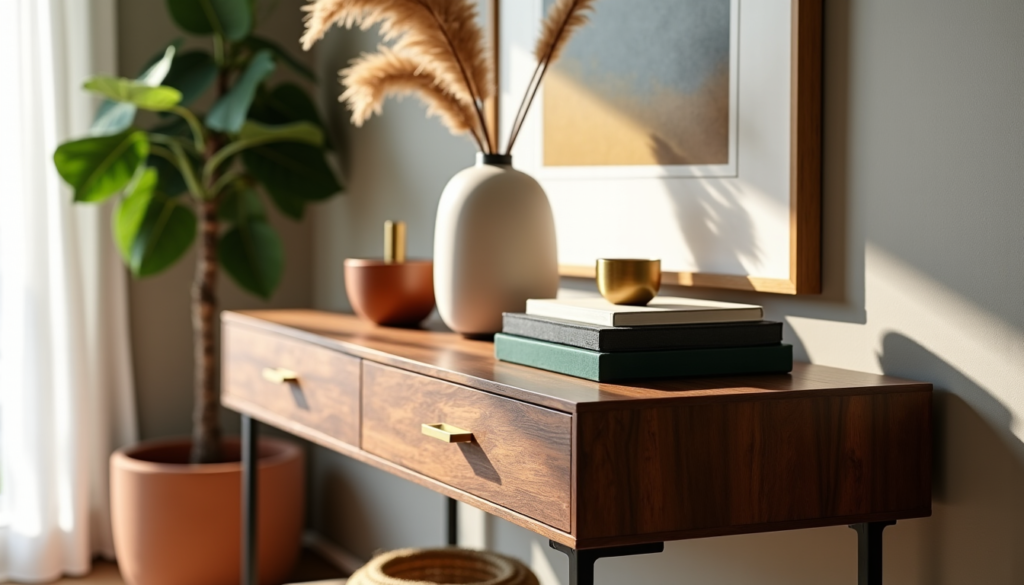
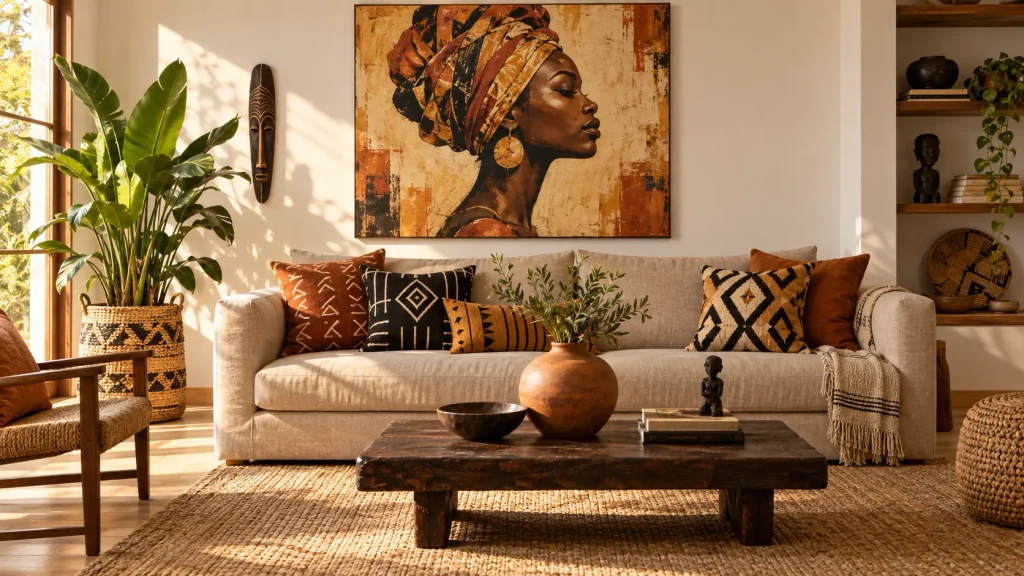
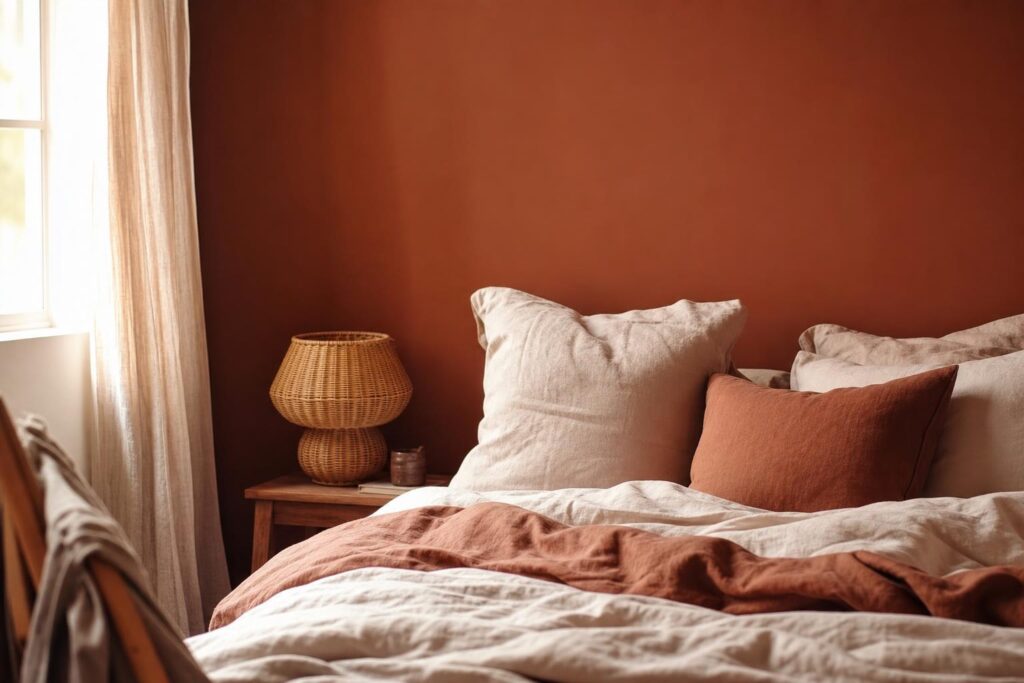
In a warm interior, wood finishes work particularly well. Light oak and simple lines naturally evoke Scandinavian design, while darker woods, combined with mineral materials, natural fibers or earthy tones, are more in line with the Mediterranean influence that is increasingly found in our interiors.
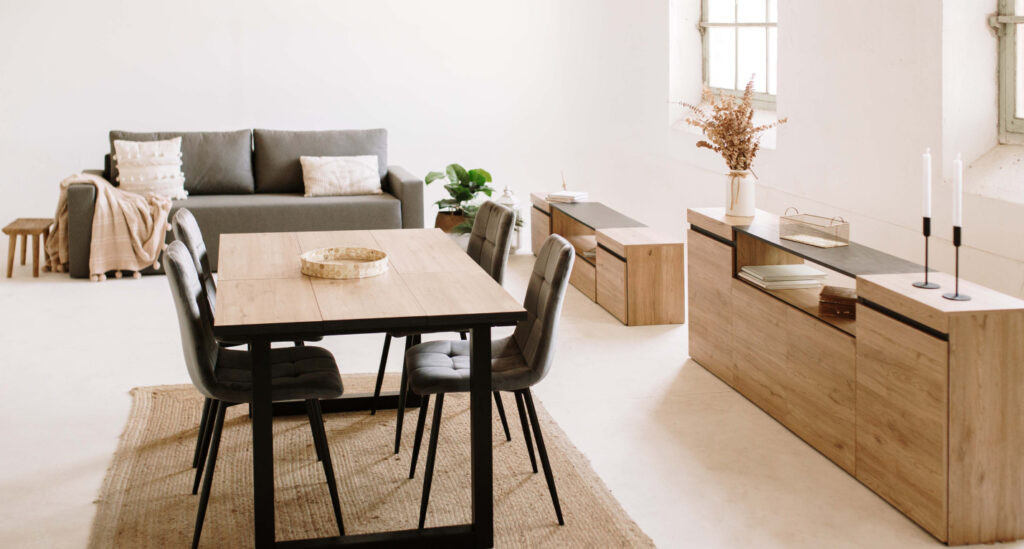
Black creates a more graphic presence and can almost make the screen disappear when it's off. Lighter shades, on the other hand, brighten the room.
It's not even necessary for all the furniture to match perfectly. I often find it more interesting to create connections: echoing the wood of the coffee table, repeating the black of a glass roof, or finding a shade in the furniture that's present in a rug.
This search for less standardized interiors aligns quite well with the trends observed in Maison&Objet, where materials, know-how, contemporary forms and the search for singularity now occupy an important place.
In this landscape, Skraut Home This is a particularly interesting example. This Spanish company develops its own furniture collections, specializing in living room furniture and manufacturing in Europe. This approach allows them to offer everything from very simple TV units to larger compositions, all while maintaining a contemporary style.
At what height should I install my TV stand?
This is probably the most common mistake: installing the television too high.
When we're sitting on the sofa, the center of the screen should ideally remain close to our eye level. Therefore, we need to consider the height of the sofa, the furniture, and the screen simultaneously.
With furniture placed on the floor, the problem rarely arises since low models are specifically designed for this purpose.
With a wall-mounted piece of furniture, we have much more freedom… and therefore more opportunities to make mistakes.
Before drilling any holes, a helpful tip is to mark the dimensions of the furniture and screen on the wall with masking tape. Then, simply sit on the sofa for a few minutes to check the proportions.
Remember to plan the cables before installation.
A beautiful wall-mounted piece of furniture loses much of its appeal if three black cables run down from the television to the socket.
Cable management should therefore be considered from the outset.
In a major renovation, it's possible to run conduits directly into the wall. Without any construction work, cable covers painted to match the wall color already provide a very clean result.
You also need to anticipate the number of outlets required. Television, set-top box, speakers, game console and lamp can quickly turn a single wall outlet into a collection of power strips.
Ultimately, the right piece of furniture is the one that gets noticed just enough
Choosing a modern TV unit isn't really about following a particular trend. It's primarily about finding the right balance between the screen, the dimensions of the living room, our storage needs, and the atmosphere we want to create.
In a small room, a wall-mounted unit or a low, minimalist model will help maintain a sense of spaciousness. In a large living room, a modular unit can, on the other hand, structure the wall and give more presence to the television area.
But whatever solution is chosen, I would avoid making the television the sole focal point of the living room. A few books, a ceramic piece, a lamp, a plant, or a piece of art hung nearby is often enough to rebalance the composition.
After all, the living room is first and foremost a place where we live. And the TV unit, however functional it may be, always benefits from blending into this setting rather than trying to dominate it.