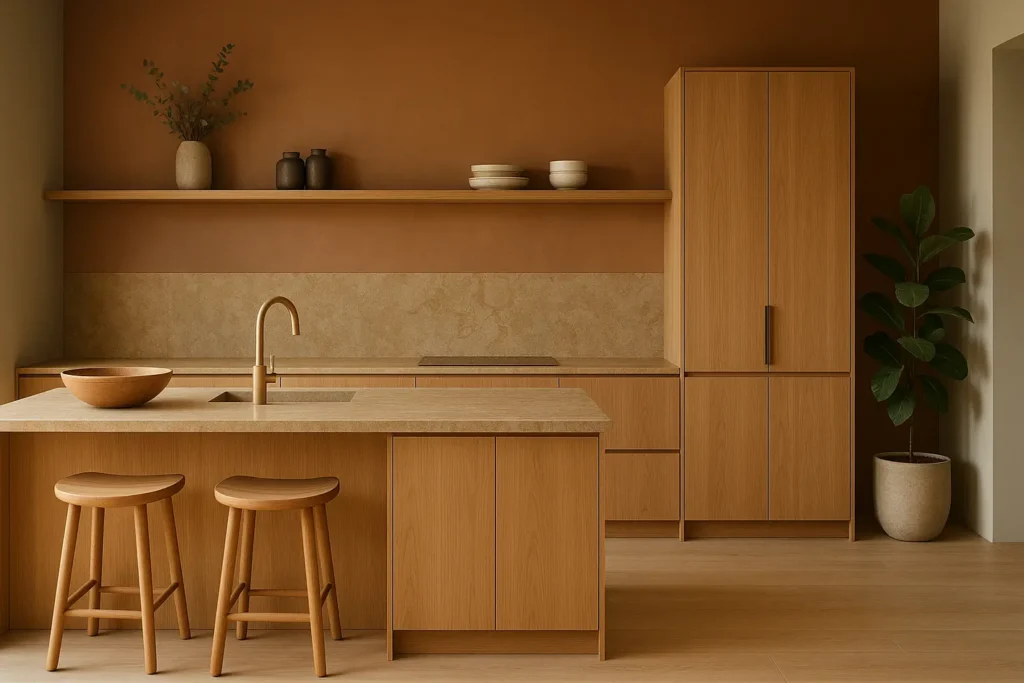
A timeless decorative object, the vase has a certain magic about it: simply moving it, filling it, or leaving it empty can transform the atmosphere of a room. But choosing the right color is key.
Too often, we choose a vase based on its aesthetic appeal, without considering its place in our home. As a result, it ends up relegated to a corner, lacking coherence with the rest of the decor.
So how do you choose the right shade of vases to perfectly match your style? Here are 5 practical tips to help you find the ideal color — and avoid any fashion faux pas.
1. Take into account the dominant colors of your room
Before you even consider buying a vase, take a moment to observe your room. What colors are already present? Whether it's the sofa, the walls, the rug, or the curtains, there are probably one or two dominant colors.
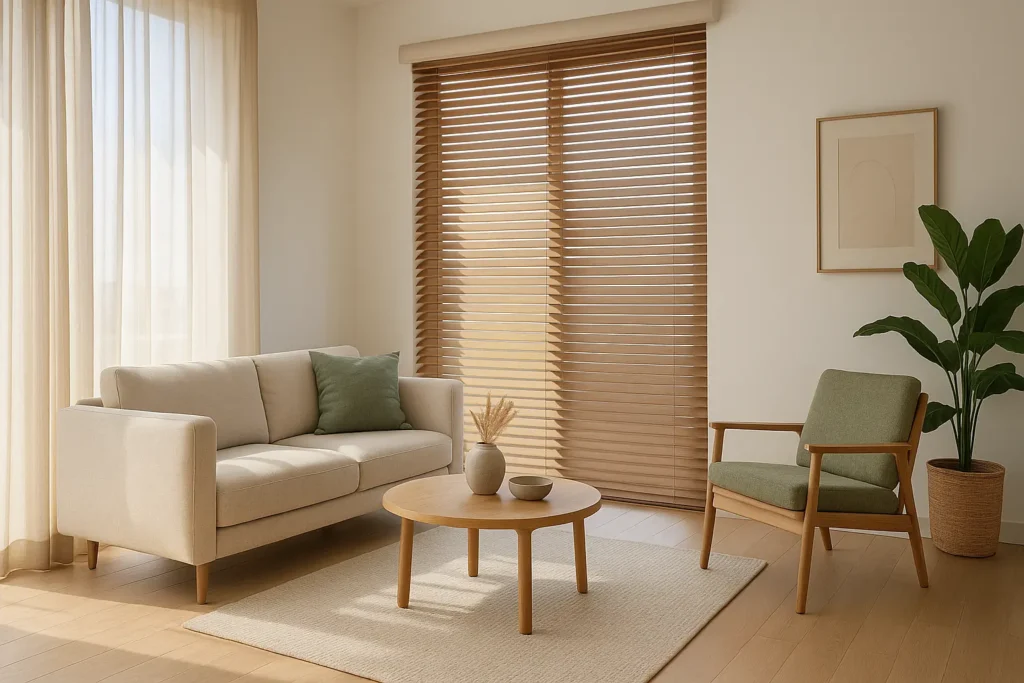
The idea isn't necessarily to stick to the exact same color scheme, but rather to choose shades that complement each other. For example, in a room with cream walls and light wood furniture, a terracotta or sage green vase will add a touch of warmth without clashing.
According to the advice of glass wholesalerIf you are in a very neutral environment, a colored vase can become a strong visual focal point, provided it is well balanced.
2. Focus on harmonies rather than "tone on tone"
You might think that choosing a vase the same color as the wall guarantees a successful decor. However, this can quickly result in a flat or bland look. To avoid this, think in terms of harmonies: complementary, contrasting, or gradient.
In a room with blue-grey walls, an ochre or mustard yellow vase will create a dynamic contrast.
In a beige sand setting, an off-white or dark brown vase will create a chic and warm gradient.
The important thing is that the colors complement each other without canceling each other out. Don't hesitate to use a color chart or color wheel to find combinations that work.
3. Match the color to the function of the vase
A vase isn't always meant to hold a bouquet. It can be decorative on its own, placed as a centerpiece or on a shelf, or it can serve as a container for branches, pampas grass, dried flowers…
Depending on its function, its color plays a different role.
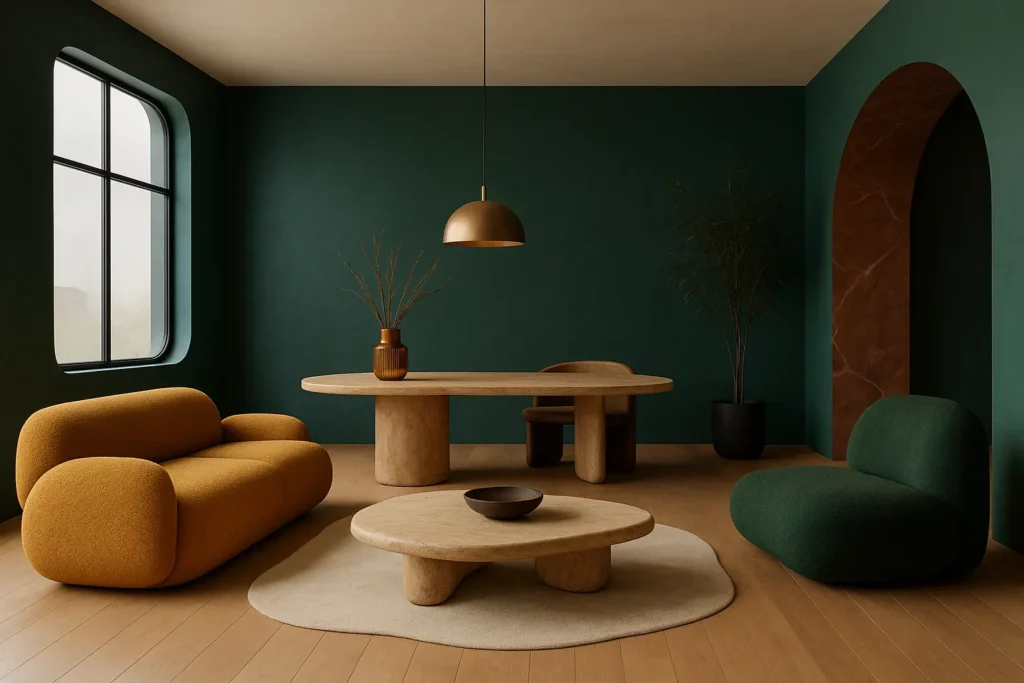
For a vase that remains empty or with neutral flowers (such as pampas grass, cotton branches…), a deep color like burgundy, midnight blue or forest green will attract the eye.
For a vase intended to hold colorful bouquets, opt for understated tones: matte white, smoked glass, light grey, so as not to steal the show from the flowers.
4. Consider the natural light and the desired effect
Light greatly alters the perception of colors. In a sunlit room, a dark vase can quickly appear harsher or more massive. Conversely, in a dark room, a light-colored vase can bring a welcome touch of brightness.
Also ask yourself what kind of atmosphere you want to create:
Black, anthracite or chocolate vases will give an impression of depth and elegance, perfect for a sophisticated atmosphere.
Pastel or white vases evoke softness, freshness, and simplicity: ideal for a Nordic-inspired bedroom or living room.
A vase in bright colours (red, Klein blue, yellow) will become a strong decorative element: ideal if your interior is rather neutral.
5. Trust your style… but dare to vary!
Do you have a strong style—bohemian, industrial, Scandinavian, vintage? That's a good starting point to guide your color choices. Decorating styles often have their own reference palettes:
- Bohemian style favors earthy tones: terracotta, beige, cream, khaki.
- The industrial style plays on contrasts: black, concrete grey, leather brown.
- The Scandinavian style emphasizes clarity: white, pearl grey, blond wood.
- The vintage style embraces retro colours: burnt orange, olive green, duck blue.
But be careful not to fall into uniformity. Playing with one or two unexpected color accents (a turquoise vase in a terracotta living room, an orange vase on a black console) can create real visual richness.
The important thing is to dare, but in a balanced way.
In summary
Choosing the color of a vase isn't just a matter of taste. It's also about considering the overall harmony of your interior, the light, the materials, and the emotion you want to convey. So before you buy, take the time to visualize it. Try out different placements, compare your ideas… and remember: the best color is the one that makes you happy in your home.