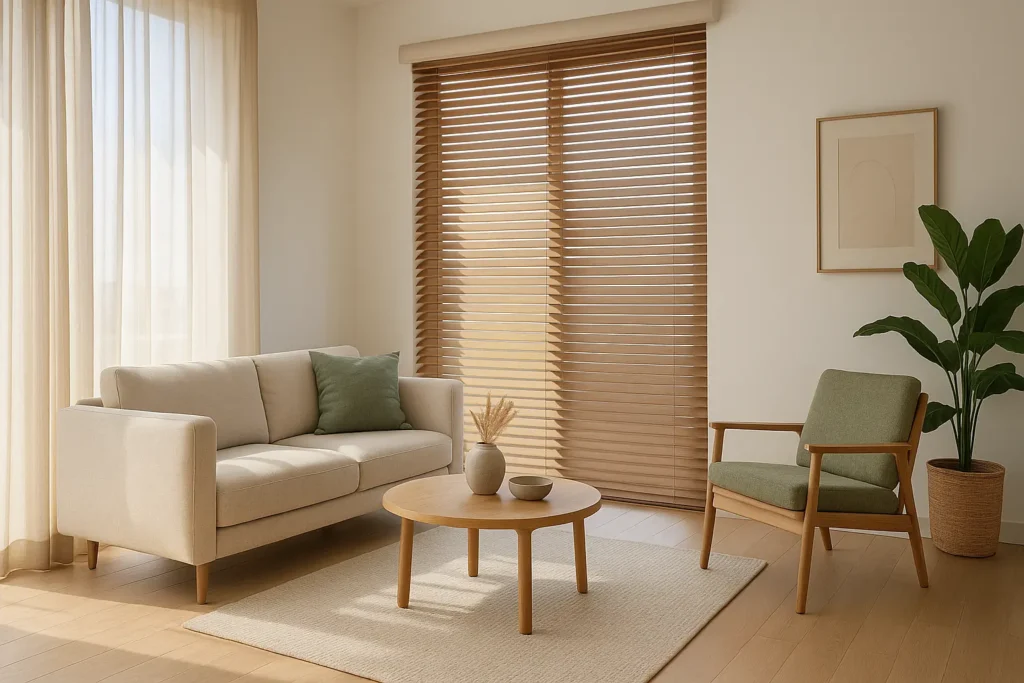
The dining room is a central space in the home, a place for sharing where conviviality, design, and comfort blend. In 2026, the decor of this room is evolving towards more natural, warm, and soothing atmospheres. Color choices play a crucial role in creating a welcoming ambiance while reflecting new interior design trends. So, What are the color trends for the dining room in 2026? ?
Between earthy tonesWith plant-based shades and textured neutral palettes, colors are increasingly inspired by nature. They allow for structuring the space, highlighting the table and chairs, and harmonizing different decorative elements such as textiles, lighting, and seating.
In this article, we will discover the key colors that will mark dining rooms in 2026, understand why they are becoming popular in decorating trends and how to easily integrate them into your interior to create a space that is modern, elegant and warm.
The key colors for the dining room in 2026
The dining room is constantly evolving in line with decorating trends. In 2026, color palettes will move away from harsh contrasts and artificial colors towards a more natural and soothing aesthetic. trending colors 2026 They draw direct inspiration from nature, with warm, mineral and organic palettes that transform the dining room into a convivial and elegant space.
This evolution responds to a need to create more harmonious living spaces. dining room decor It is no longer limited to furniture or tables: it now relies on a coherent color palette that structures the space and enhances visual comfort. Current trends emphasize natural tones, plant-inspired shades, and deep colors that bring character and softness to the room.
Earthy tones: warmth and character
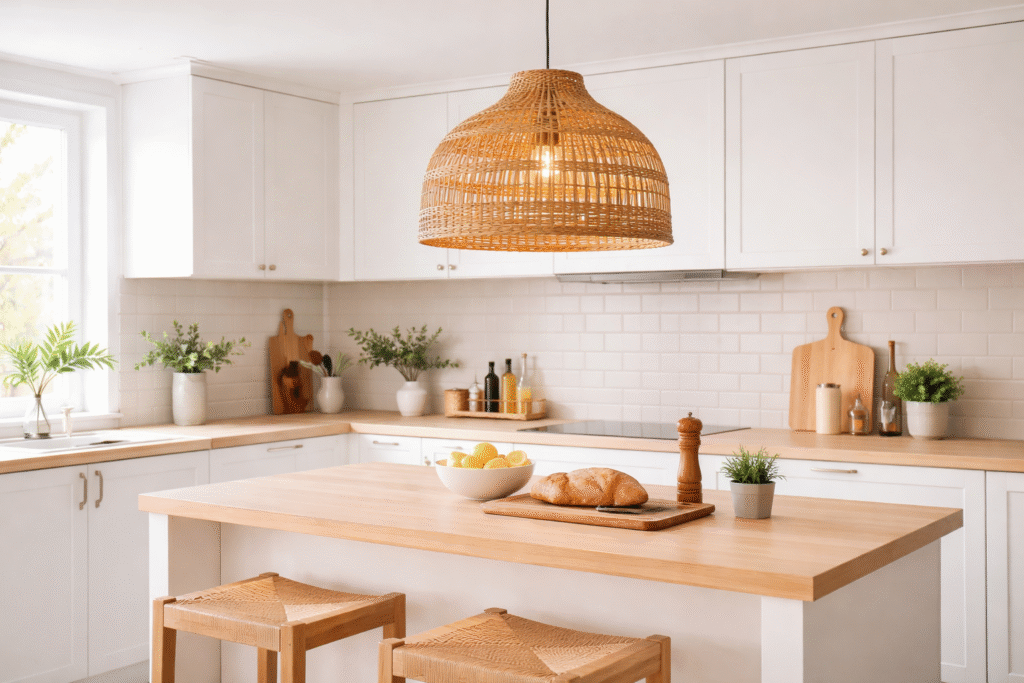
THE earthy tones largely dominate the decor trends in 2026. Inspired by the earth, clay and natural landscapes, they immediately bring a feeling of warmth to the room.
Among these shades, the terracotta It remains one of the most popular colors. This warm shade, situated between orange and brown, has a very strong decorative power. It warms up a room and creates a convivial atmosphere around the table.
THE warm brown And the variations of ochre also fit into this natural palette. These colors are reminiscent of raw materials such as terracotta, ceramics, or certain natural woods.
Used on an accent wall, on accessories or even on furniture pieces, these shades immediately bring character to the dining room.
Earthy tones pair particularly well with:
- natural wood furniture
- linen or cotton textiles
- decorative ceramic objects
This blend creates a warm space that invites sharing meals in a welcoming atmosphere.
Natural colors: softness and balance
Neutral palettes continue to play a central role in interior design. In 2026, light shades are reinvented to become warmer and more textured.
THE beige It has thus made a remarkable comeback in contemporary dining rooms. Far from being bland, it is now available in subtle shades that create a bright and elegant environment.
The shades inspired by sand They also bring a much-appreciated natural dimension. These colors are reminiscent of desert landscapes and mineral materials, which helps to reinforce the harmony of the space.
THE light gray It also remains present in modern interiors, particularly in minimalist decor. Used on walls or on certain pieces of furniture, it creates a neutral base that highlights other colors.
These natural colors offer several advantages:
- They visually enlarge the space
- they reflect the light
- They adapt to different decorating styles
Combined with natural materials such as wood or stone, they help to create a balanced and timeless atmosphere.
Organic greens: a connection with nature
Plant-based colors continue to appeal to decorating enthusiasts. They allow you to introduce a natural dimension into a room without necessarily adding many plants.
Shades of green bring a sense of calm and freshness to the dining room.
THE fir green It is particularly appreciated for its elegant and profound character. This rich shade can be used on a wall or on furniture elements to structure the room.
Nature-inspired green also comes in softer shades like sage or olive. These colors are ideal for creating a relaxing and welcoming atmosphere.
Organic greens pair perfectly with:
- light wood materials
- natural textiles
- decorative objects made of stone or ceramic
This blend creates a harmonious decoration that evokes natural landscapes.
Deep blues to structure the space
While natural colors dominate the trends, some more intense shades can structure the room and add a sophisticated touch.
THE duck blue It remains a safe bet in interior decoration. Situated between blue and green, it possesses a depth that immediately attracts the eye.
THE blue-green is also very present in contemporary color palettes. This hybrid color combines the freshness of blue and the softness of green, making it particularly adaptable.
These deep shades are often used for:
- create an accent wall
- highlight a piece of furniture
- strengthen the visual structure of the room
When well balanced with lighter tones, they bring an elegant dimension to the dining room.
Mineral tones: understated and modern
THE mineral hues They are also part of the major decorating trends. Inspired by stone, concrete or sand, they offer an aesthetic that is both modern and natural.
These colors fit perfectly into a contemporary designwhere raw materials and clean lines are preferred.
Mineral nuances can appear on:
- the walls
- storage furniture
- decorative elements
They allow you to create a balanced decor that highlights textures and materials.
How to use these colors in the dining room
Choosing a trendy color palette doesn't necessarily mean repainting the entire room. The goal is rather to create harmony between the different elements.
Colors can be integrated at multiple levels.
On the walls
A wall painted in an earthy or deep shade can structure the dining room and draw the eye towards the table.
On the furniture
Tables, sideboards or chairs can also incorporate certain trendy colors to reinforce the identity of the room.
About accessories
Textiles and decorative objects make it easy to introduce new colors.
For example, you can play on:
- the tablecloths
- the cushions
- the curtains
- decorative accessories
These elements allow you to adjust the color palette without major transformation.
A cozy and contemporary atmosphere
The main objective of the color trends for the dining room in 2026 is to create a cozy atmosphereNatural colors and deep hues contribute to the creation of a welcoming space where one feels comfortable.
This approach prioritizes a balance between aesthetics and well-being. Nature-inspired color palettes allow for the creation of warm interiors that remain elegant and modern.
Combined with wooden furniture, textured textiles and soft lighting, these colors help to create a harmonious and welcoming dining room.
The color trends for dining rooms in 2026 clearly show a return to nature. Between terracotta, beigeWith organic greens and deep blues, the palettes favor warm and balanced tones. These colors help structure the room while creating a soothing and elegant atmosphere, perfectly suited to contemporary living spaces.
Furniture and seating that complement the color trends
Color trends aren't limited to walls or accessories. In 2026, furniture plays a central role in creating a room's atmosphere. In a dining room, the color palette is also expressed through the materials, shapes, and finishes of the furniture. The table, chairs, and accompanying textiles all contribute fully to the visual balance of the space.
The choice of furniture thus becomes strategic. It's no longer just about selecting a beautiful piece, but about creating harmony between colors, materials, and volumes. Furniture becomes a true support for the decorative palette.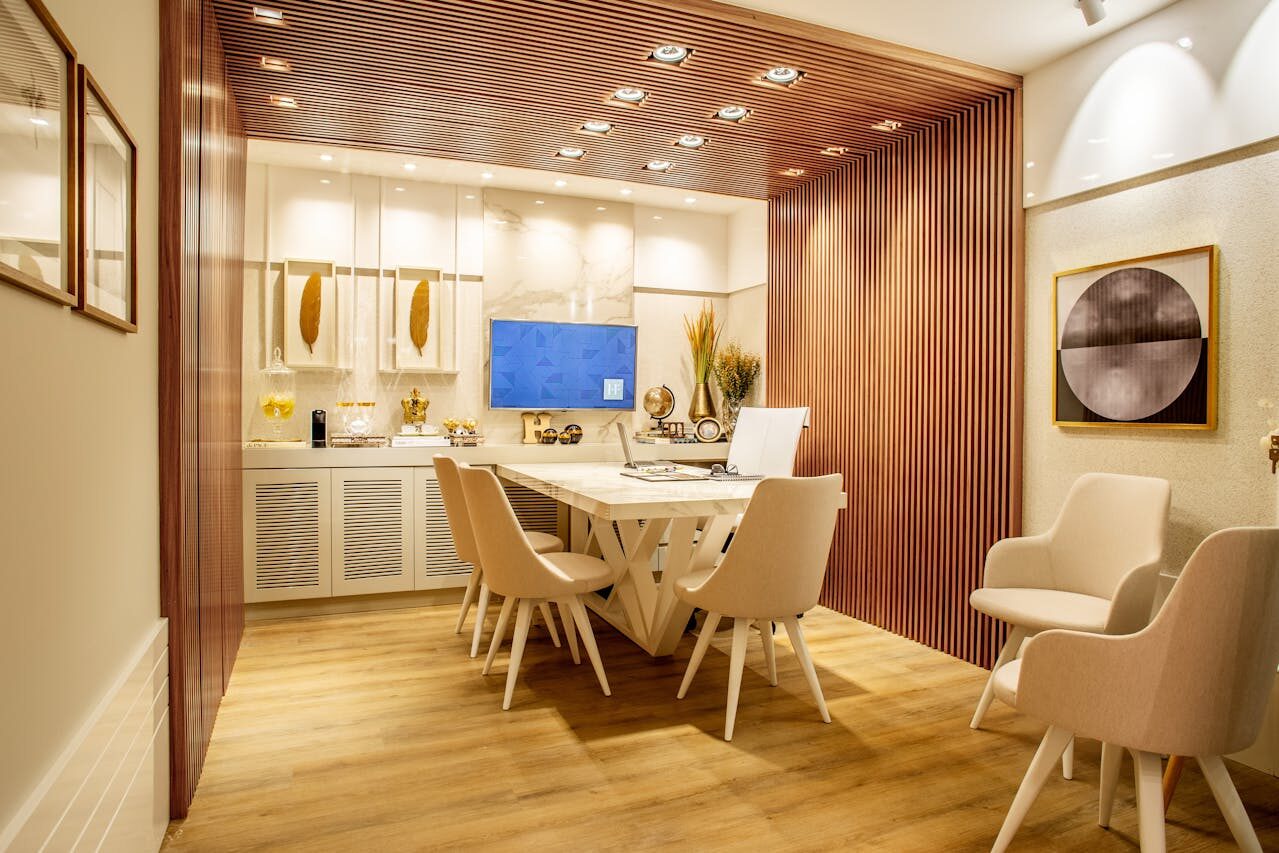
The table: the centerpiece of the dining room
At the heart of the dining area, the dining table The structure of the entire room. It is around this structure that circulation is organized and the visual identity of the decoration is developed.
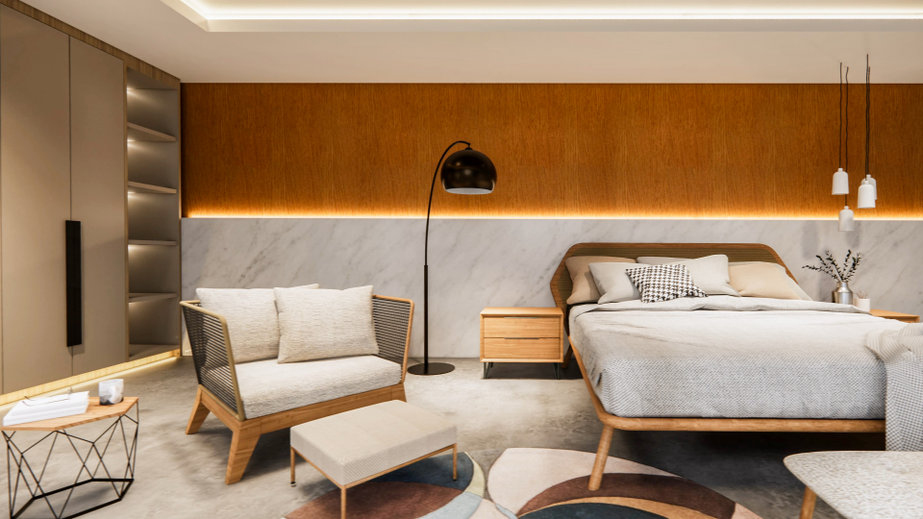
By 2026, tables will favor authentic materials and softer shapes. Models made in natural wood are particularly prominent in current trends. This material instantly adds warmth and blends easily with nature-inspired color palettes.
THE solid wood It is also highly sought after for its durability and authentic texture. A thick, slightly textured wooden table becomes a decorative element in its own right.
THE designer tables They often adopt clean lines with slightly rounded tabletops or sculptural legs. These shapes bring a contemporary dimension while maintaining a warm atmosphere.
The choice of table directly influences the perception of colors in the room. A light tabletop will highlight darker chairs, while a deeper wood will create an interesting contrast with natural hues.
Chairs: a key element of the decorative palette
THE dining room chairs They are no longer simply functional elements. They become true decorative pieces that contribute to the color palette of the room.
Current trends favor more organic shapes. Slightly rounded backrests and flowing lines create a feeling of visual softness.
These nature-inspired shapes help to break up the rigidity of some tables and balance the space. The chairs thus become elements that soften the overall decor.
Materials also play an important role. Wooden structures, fabric seating, or combinations of materials allow for the introduction of different textures into the dining room.
The return of organic forms
Rounded shapes largely dominate furniture trends. Curved backrests and slightly enveloping seats create a more welcoming atmosphere.
This evolution is part of a desire to make living spaces more comfortable and more humane.
Chairs with organic lines also allow for better integration into a contemporary design where the emphasis is on a balance between minimalism and warmth.
These softer shapes also contribute to the visual flow within the room. They avoid overly rigid lines and create a more harmonious overall effect.
The importance of seating comfort
The dining room is no longer just a space for quick meals. It is becoming a place for conviviality where we share extended moments with our loved ones.
In this context, the seating comfort becomes essential. An aesthetically pleasing but uncomfortable chair quickly loses its appeal.
Manufacturers are therefore paying more attention to the ergonomics of seating. Backrests are slightly inclined and seats are becoming wider to offer better support.
THE modular seating They also appear in some furniture collections. They allow seating to be adapted to the different uses of the room, particularly when the dining room is integrated into a larger living space.
Chair cushions: comfort and color
To improve comfort while enriching the decorative palette, the chair cushion becomes a particularly interesting accessory.
They soften the seat of a chair while introducing a new textile dimension into the room.
Pancakes offer several advantages:
- improve comfort
- add a touch of color
- introduce an additional texture
- create a visual link with other textiles
In a dining room where natural colors dominate, a cushion can echo the colors of the living room cushions or the room's curtains.
It thus becomes a discreet but effective element to enhance the harmony of the decoration.
Coordinate the table, chairs and textiles
Creating a cohesive dining room often relies on the harmony between several elements.
The table, chairs and textiles must interact visually.
A light wood tabletop, for example, can be paired with chairs in a slightly darker shade. The seat cushions can then echo a color found elsewhere in the room.
This subtle repetition of colors helps to reinforce the visual identity of the dining room.
Textiles play a key role in this balance. Tablecloths, placemats, or cushions allow you to introduce additional nuances without changing the furniture.
Modular furniture in contemporary spaces
In modern interiors, living spaces are often open-plan. The dining room sometimes shares the same room as the living room or kitchen.
In this context, the modular furniture This becomes particularly interesting. It allows the room configuration to be adapted to the needs.
Extendable tables, for example, offer more flexibility during family meals or receptions.
Lightweight chairs can be easily moved to create different zones in the space.
This modularity responds to new lifestyles where rooms must adapt to multiple uses.
A balance between aesthetics and functionality
Dining room décor trends in 2026 aim to reconcile aesthetics and functionality.
Furniture should no longer just be beautiful. It must also meet everyday needs.
Solid tables, comfortable chairs and textile accessories help to create a pleasant living space.
The goal is to design a dining room that invites sharing convivial moments while reflecting a strong decorative identity.
A color palette supported by the furniture
By 2026, furniture will no longer simply complement the colors of the room. It will itself become a driver of the decorative palette.
Materials, textures and textiles all contribute to creating the atmosphere.
A wooden table, chairs with rounded shapes and a few colorful cushions are sometimes enough to transform the atmosphere of a dining room.
The furniture and seating thus fully contribute to the balance of colours and the overall style of the room.
Accessories and decorative details to complete a trendy dining room in 2026
A successful dining room isn't just about choosing colors or furniture. It's often the details that give the space character. Decorative accessories, textiles, and storage solutions help complete the design and create a cohesive atmosphere.
In a dining room decor In this contemporary style, each element contributes to the visual balance of the room. Decorative objects, textiles, and lighting provide the finishing touch that transforms a functional room into a warm and elegant space.
Decorative sideboards and storage solutions
Storage furniture plays a vital role in room organization. buffet A well-chosen one allows both the structuring of the space and the addition of a decorative dimension.
Modern sideboards favor simple lines and natural materials. Textured wood, fluted fronts, and matte finishes are particularly prominent in current trends.
These pieces of furniture serve to hold dishes, tablecloths or table accessories, while also contributing to the overall aesthetics of the room.
THE dining room storage They don't have to be purely practical. They can also become a decorative support for displaying certain objects.
On a sideboard, you could, for example, arrange:
- decorative books
- a few ceramic objects
- a table lamp
- a small decorative tray
These elements add depth and personalize the space.
Textiles for decorating the dining room
Textiles play a central role in decoration. They allow for the introduction of colors, patterns, and textures that enrich the atmosphere of the room.
There table decoration can be easily transformed thanks to:
- a textured tablecloth
- natural fiber placemats
- table runners in trendy colors
These elements create a visual base around which the entire table is organized.
Curtains also play an important role. Lightweight fabrics let in light while softening the space.
To enhance visual harmony, it is a good idea to choose textiles in shades similar to those used in the room.
Chair cushions as a color accent
THE chair cushions They can also become a true decorative element. In addition to improving seating comfort, they add a touch of color and texture.
In a dining room with natural hues, they allow, for example, the introduction of a more pronounced shade without transforming the entire room.
The cakes can be reminiscent of the color of a tablecloth, a cushion or a decorative object present in the room.
They thus contribute to the coherence of the color palette and reinforce the overall harmony of the space.
Lighting fixtures and decorative objects
Lighting is an essential element in the design of a dining room. sculptural hanging sculptures are particularly popular in current trends.
Placed above the table, they become a focal point that attracts the eye.
Decorative objects then complete the ensemble. ceramic vases They bring a handcrafted dimension that is highly appreciated in contemporary interiors.
THE candlesticks They also contribute to creating a warm atmosphere. Placed on the table or on a sideboard, they help to establish a cozy atmosphere, ideal for meals with family or friends.
Influential decorating styles
Accessories also allow you to express a decorative style.
The Japandi style, for example, favors natural materials and simple forms. It promotes a minimalist decor where each object is carefully chosen.
The natural style highlights authentic materials such as wood, linen or ceramics.
Warm minimalism, on the other hand, combines clean lines with soft textures to create an elegant and welcoming interior.
These styles share a common principle: avoid clutter and favour objects that have a real aesthetic presence.
Accessories therefore play a crucial role in decorating a dining room. Textiles, decorative objects, lighting, and storage solutions help to complete the space and create a cohesive atmosphere. It is often these details that give character to the room and transform a simple dining room into a harmonious and stylish space.