Building a house takes time and involves several mandatory steps, extending far beyond the construction site itself. On average, it takes anywhere from several months to over a year, depending on the type of house, the project's organization, and administrative constraints. Here's a clear and comprehensive explanation to help you understand the actual timeframe for building a house.
The steps before the start of construction
Even before work begins, an essential preparatory phase is necessary. This period is often underestimated, even though it can represent a significant portion of the total timeframe.
It includes, in particular:
- The search for and purchase of land
- The creation of the house plans
- The administrative procedures related to the building permit
- The legal waiting period after obtaining the permit
Depending on the complexity of the project and the responsiveness of the authorities, this phase can last several months. A serviced plot of land and a well-prepared project can reduce this timeframe, but it is rarely immediate.
The duration of the structural work
The structural work corresponds to the very structure of the house. It is the most visible phase of the construction site, but also one of the most technical.
It includes:
- Earthworks and foundations
- The raising of the walls
- The installation of the framework and the roof
This stage typically takes several months. Weather conditions, soil type, and the size of the house directly impact the timeframe. A simple, single-story house will be quicker to build than a multi-story house with complex shapes.
The finishing work and the secondary construction.
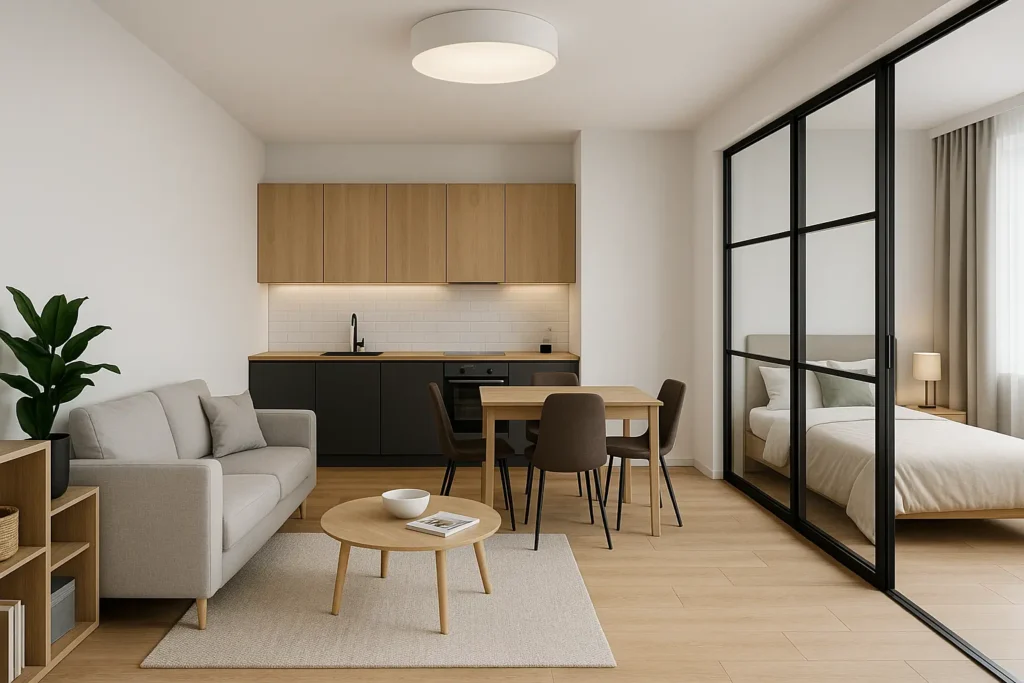
Once the house is watertight and airtight, the interior work can begin. This phase is essential to making the house habitable and comfortable.
The works concerned include, in particular:
- Insulation and partitions
- Electricity and plumbing
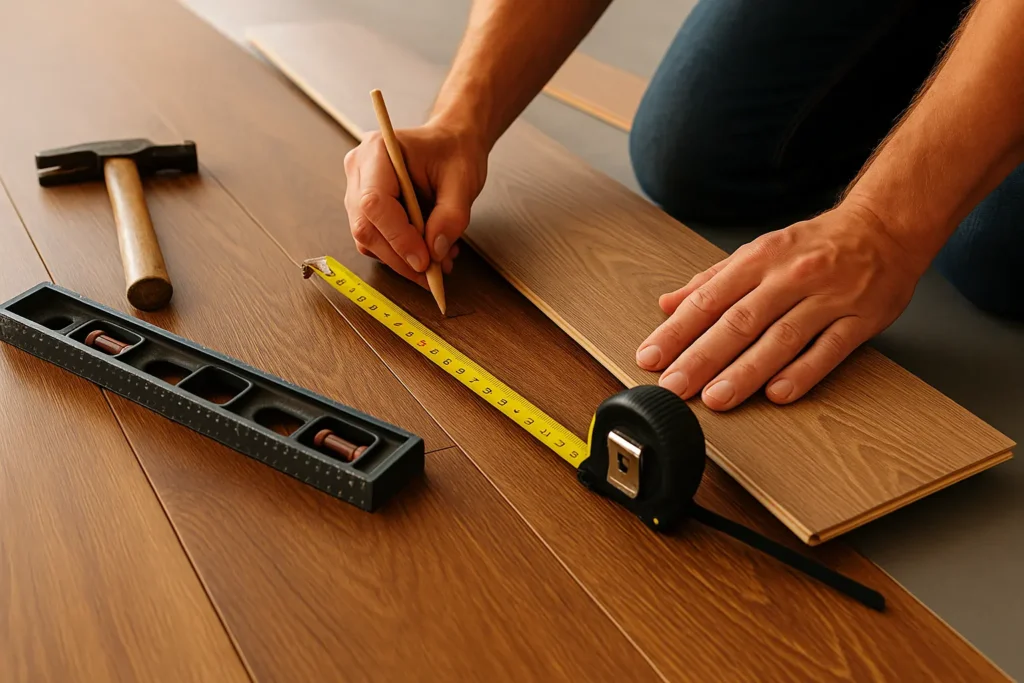
- Floor and wall coverings
- Installation of sanitary and heating equipment
This stage requires time and coordination between several trades. Finishing touches, often personalized by future occupants, can extend the timeframe if late choices or modifications are requested during construction.
Does the weather vary depending on the type of house?
Yes, the type of house greatly influences the construction time. Some techniques save time, while others require more steps.
For example :
- A traditional masonry house requires more drying time and on-site intervention.
- A timber-framed house is generally faster to build thanks to prefabrication.
- A prefabricated or modular house can be assembled in just a few months.
- Building a house yourself often takes much longer.
THE choice of house construction method Therefore, it must take into account not only the budget, but also the desired timeframe.
Factors that can extend the project duration
Even with good planning, certain factors can delay the construction of a house. It is important to be aware of these from the outset.
The most frequent causes are:
- Prolonged bad weather
- Delays in material deliveries
- The lack of availability of craftsmen
- Modifications requested during construction
- Unforeseen administrative or technical problems
Anticipating these risks and working with experienced professionals helps to limit delays, but cannot eliminate them completely.
The average time between the start of construction and the handover of keys
Several months pass between the official start of construction and the handing over of the keys. This period corresponds to all the work carried out on the site, until the house is habitable.
In a typical project, this timeframe includes:
- The coordination of the different trades
- Drying times between certain steps
- Mandatory technical inspections
- Final adjustments before delivery
When the construction site is well-organized and the work progresses smoothly, the duration remains under control. However, a lack of coordination or prolonged breaks between phases can slow overall progress.
The role of the manufacturer in controlling deadlines
The choice of builder or contractors plays a central role in the construction timeline. An experienced professional knows how to plan the work and anticipate constraints.
A reputable manufacturer guarantees, among other things:
- A clear and realistic plan
- Good coordination between stakeholders
- Regular monitoring of the progress of the construction site
- Rapid management of unforeseen events
Conversely, poor organization or a lack of communication can lead to significant delays. It is therefore essential to research the reputation and experience of professionals before committing to their services.
Can the construction of a house be accelerated?
It is possible to reduce delays, provided certain decisions are made from the outset. Good planning saves time without compromising quality.
To accelerate a project, it is advisable to:
- Validate the plans and technical choices as early as possible
- Limit modifications during construction
- Choose materials and equipment that are readily available
- Working with professionals experienced in this type of project
Rapid construction is always subject to technical and regulatory constraints. Trying to go too fast can lead to errors, cost overruns, or long-term defects.
Sources: