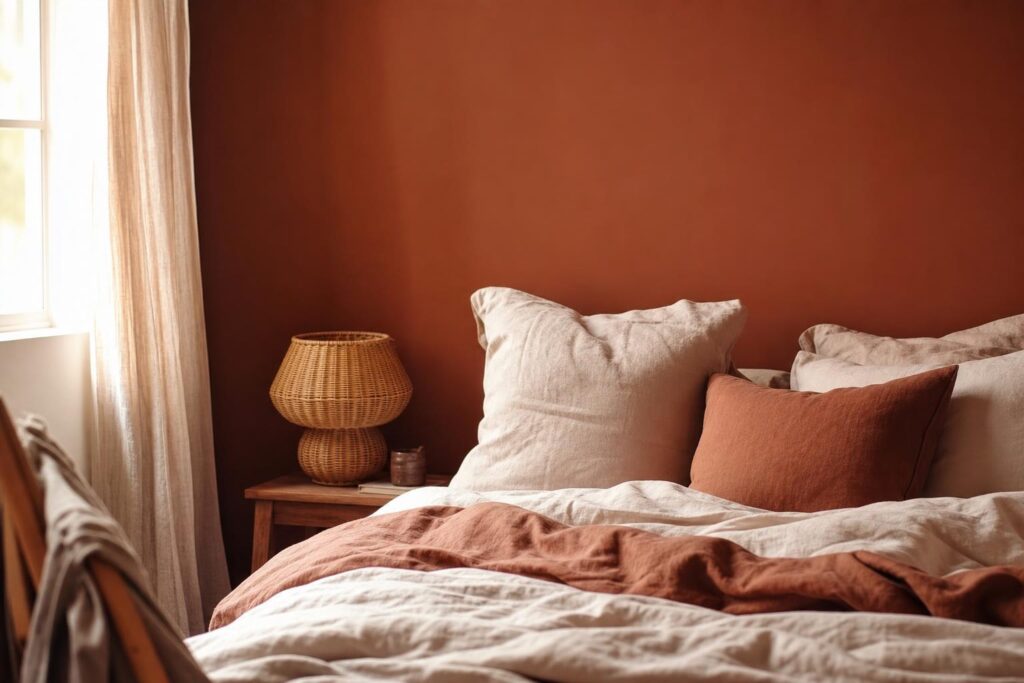
Our article in brief
- There seaside decor plays out on the light, THE matte materials and a short palette — off-white, sand, ecru, greyish blues — not on marine objects.
- Five materials do everything: washed linen, thick cotton, driftwood and raw wood, braided fibers (rattan, seagrass, jute), glazed ceramic.
- Three variants that should not be mixed: Atlantic and Nordic (light wood, blue-grey), Mediterranean (lime, terracotta) and chic seaside (thick linen, patinated brass).
- Piece by piece, the gesture is the same: to clear away, to filter the light, to replace a synthetic textile with a natural fiber.
- This style works just as well away from the coast: it's a way of letting a room breathe, not a postcard to hang up.
There are two ways to bring the sea into your home. The first is to hang a ship's wheel above the sofa, line up three buoys on a shelf, and put up a "Beach" sign in the entryway. The second is to open the curtains, choose an off-white, and let a seagrass rug do the rest. I'll let you guess which one truly resembles a seaside home.
There seaside decor is one of the most misrepresented styles of decoration, precisely because it is so easily caricatured. Yet real coastal houses—those on the Île de Ré, the Cotentin peninsula, Cap Corse, or the Cyclades—have almost no nautical objects. They have something else: walls that catch the light, textiles washed a thousand times, wood bleached white by the salt, and the feeling that air circulates freely from one room to another. This is what we are going to learn to reproduce: the palette, THE materials, the variations in style, and the details of each piece.
Seaside decor: what are we really talking about?
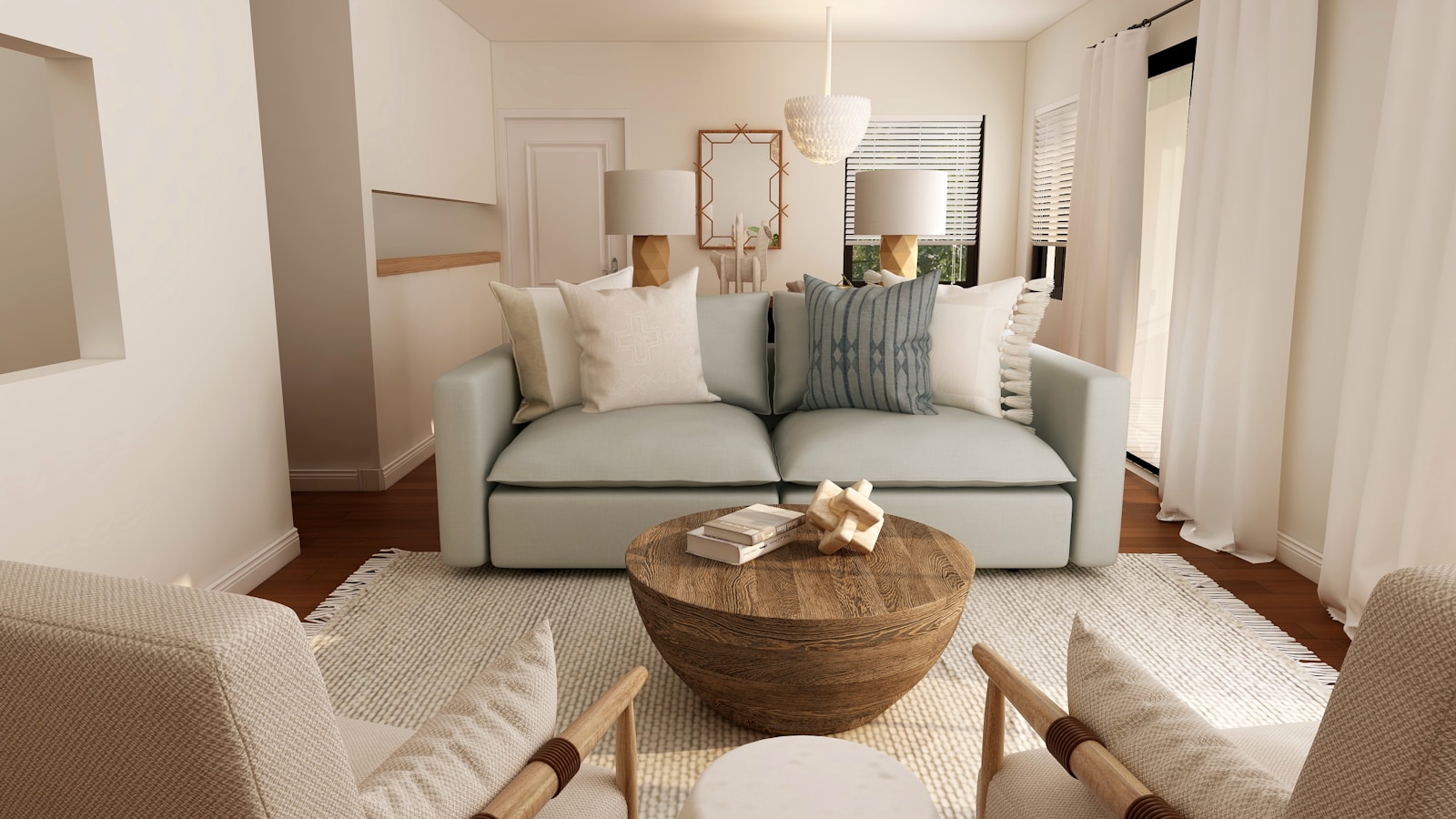
A seaside decoration Success rests on a simple idea: you don't represent the sea, you reproduce its effects. The low light of late afternoon, the never quite pure white of plastered walls, the texture of a damp fabric, the coolness of bare ground beneath your feet. These are sensations, not motifs—and they can be achieved with very little.
A style of light, not a collection of objects
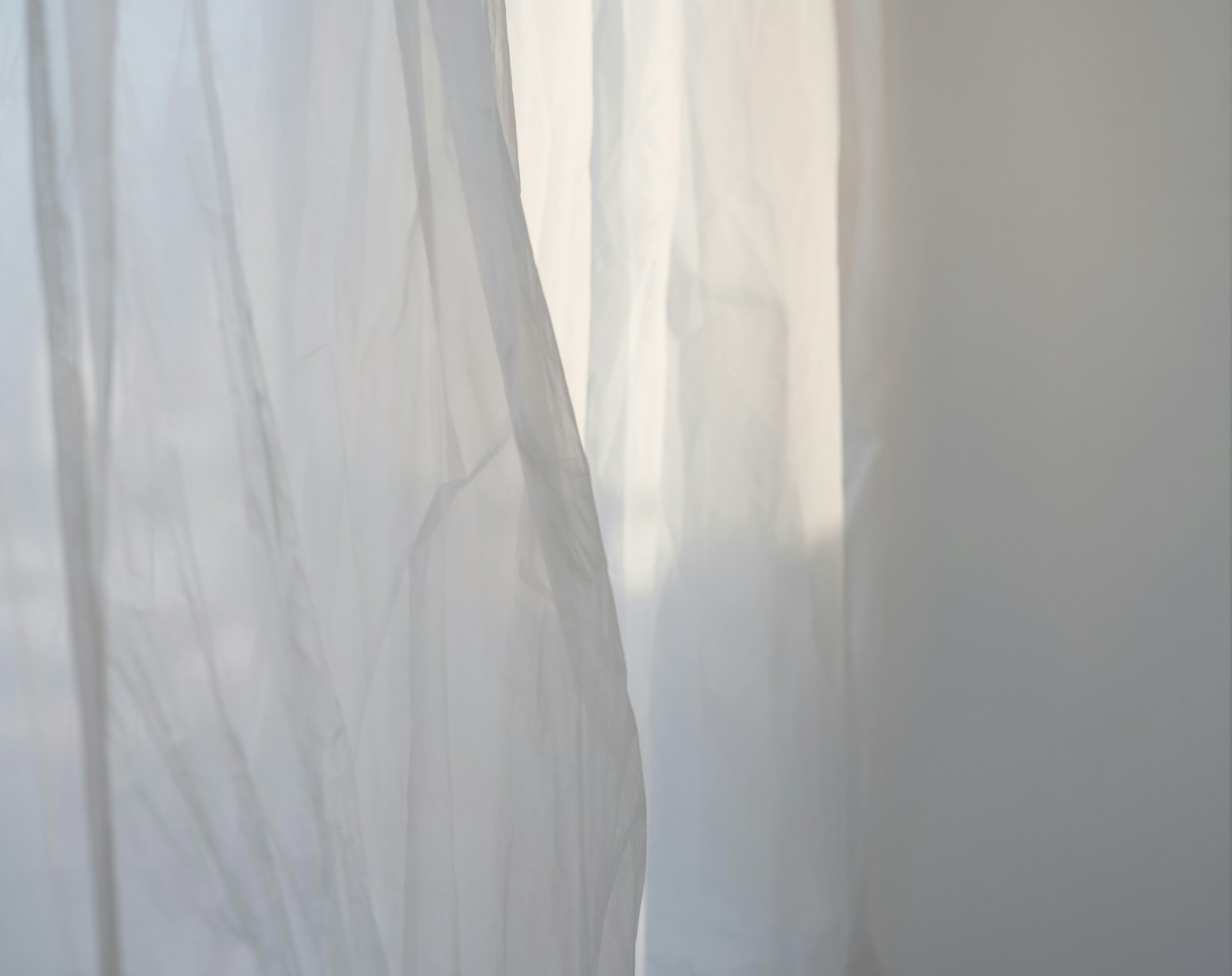
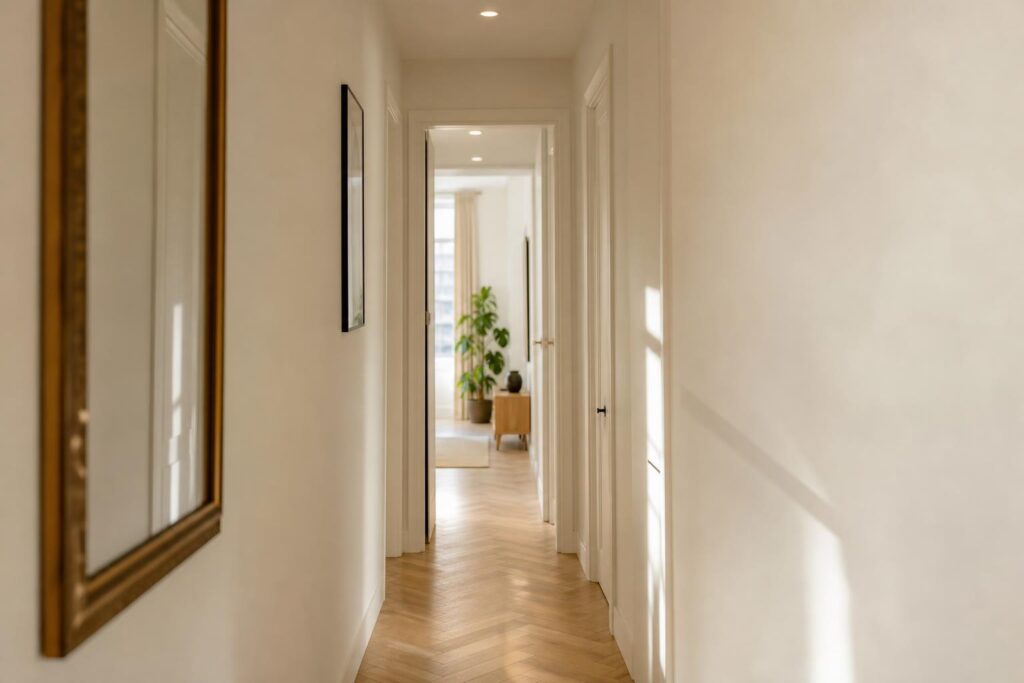
The first instinct is not to buy, it's to release the light. Heavy curtains replaced with a linen or ecru cotton voile, windows cleared, a mirror placed opposite the window to reflect light to the back of the room, surfaces cleared. A seaside interior gives the impression of being somewhat empty: this emptiness is air, and it is what makes all the difference.
Next comes the choice of finishes. Forget glossy, lacquered, chrome, and varnished surfaces. Look for textured surfaces. mates and slightly irregular: a slightly dusty wall, oiled rather than varnished wood, ceramic tiles with variations in glaze. The material must catch the light without reflecting it all at once—this is what distinguishes a bright room from a dazzling one.
Objects come last, and in very small numbers: a matte ceramic vase, a large wicker basket, a watercolor of the coast framed in raw wood. My test is simple—if an object only makes sense in a marine setting, it's a thematic accessory, not decoration. So this is what I systematically leave in the shop:
- Decorative anchors and rudders, in all shapes and sizes.
- The buoys and fishing nets hung on the wall.
- Plastic or resin seashells, and garlands of glued seashells.
- Signs and frames with the quotes "Beach", "Sea", "Ocean".
- Fake portholes and applied boat rails.
- The fish, lighthouses and seagulls are made of varnished wood and painted bright blue.
- Saturated navy blue applied in large quantities: it darkens instead of opening.
The seaside is not created with marine objects: it is achieved with light, matte materials and three colors that know how to remain silent.
Can one adopt the seaside lifestyle even when far from the sea?
Yes, and that's precisely where style proves most useful. In a north-facing city apartment, a dark living room, or an attic room, this palette of off-white, natural fibers, and soft textiles acts as a light corrector. The key is simple: the further you are from the coast, the more you need to tone down the nautical vocabulary. Without a horizon beyond the window, a nautical object becomes a quotation—and an overly emphatic quotation always rings false.
In practice, in the city, I only keep the materials and the palette. No identifiable objects. The result is not "a seaside decor": it's an interior that breathes, fresh and natural — exactly what we were looking for in the end.
Video: Seaside style codes in pictures (HOMY FRANCE).
The color palette: off-white, sand, and greyish blues
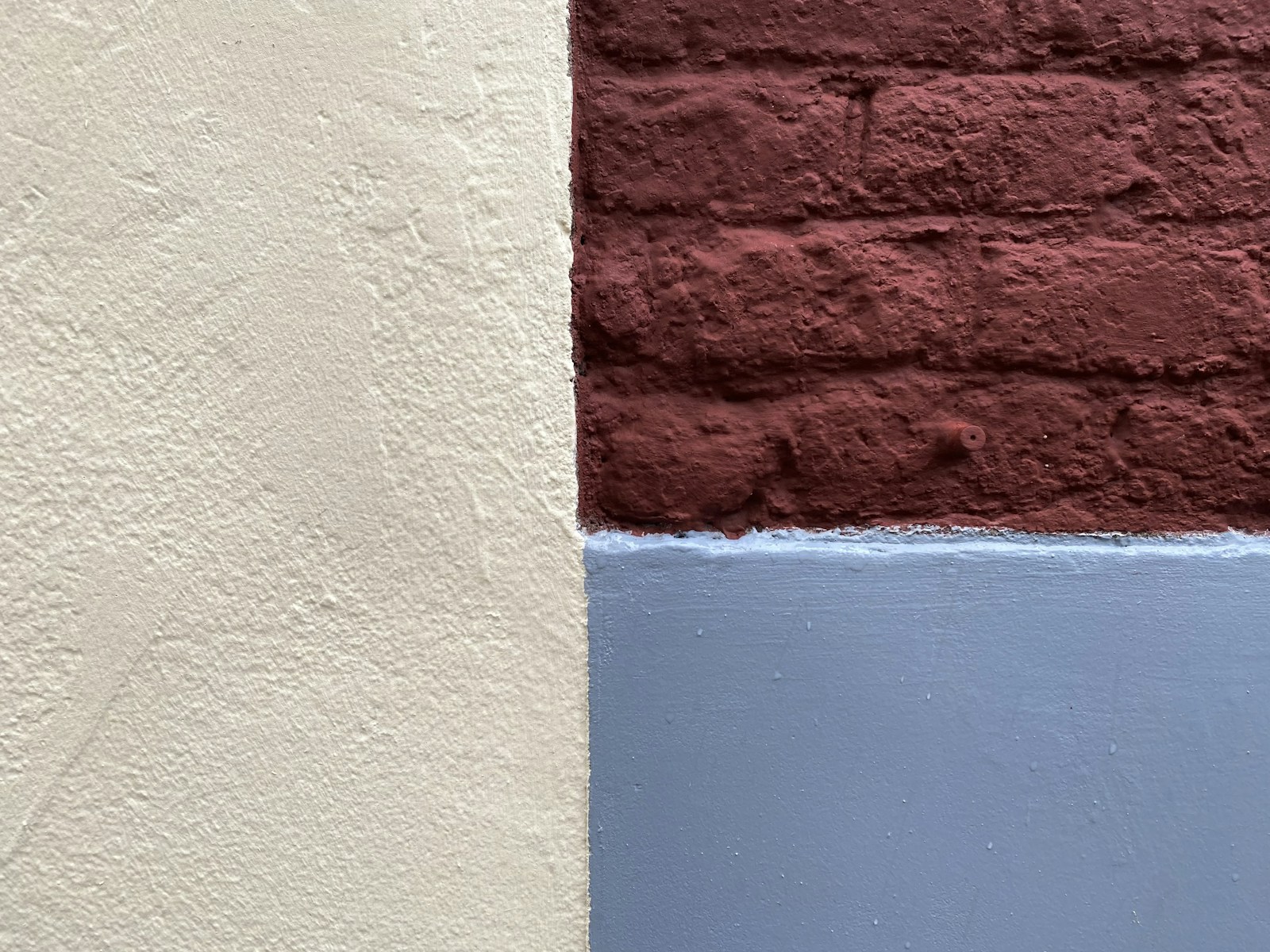
The coastal palette is limited to a base of warm neutrals and a single cool accent. Off-white, ecru, sand, and pebble gray occupy the large areas; a blue-grey or a aqua green intervenes only in touches, in textiles or ceramics. Three well-chosen colors are enough: beyond that, the room loses its clarity and unity.
First the neutrals: off-white, sand, ecru
Pure white is the most common mistake. It tends towards a cold blue, hardens the angles, and gives a clinical look as soon as the light dims. What we want is a off-white A white with a hint of yellow, grey, or very pale pink, which remains warm at dusk. Always test on two different walls, at two different times of day, before making a final decision.
Around this white base, a range of sandy tones are used: ecru, eggshell, natural linen, pebble gray, and very light taupe. The trick is to work with similar shades rather than contrasting ones. An ecru wall, an ivory curtain, a sand-colored sofa: the eye perceives a gentle continuity, and the room appears larger.
The distribution that almost always works, without needing to pull out a color chart:
- Most of the surfaces — walls, ceiling, large curtains, sofa — in light and warm neutrals.
- A significant share For wood and woven fibers: flooring, tables, rugs, baskets, lighting. It's the warmth of the decor.
- Just one touch In shades of blue or sea green: cushions, a throw, dishes, a vase, a picture frame. Nothing structural.
Grayish blues and seafoam greens: where to place them
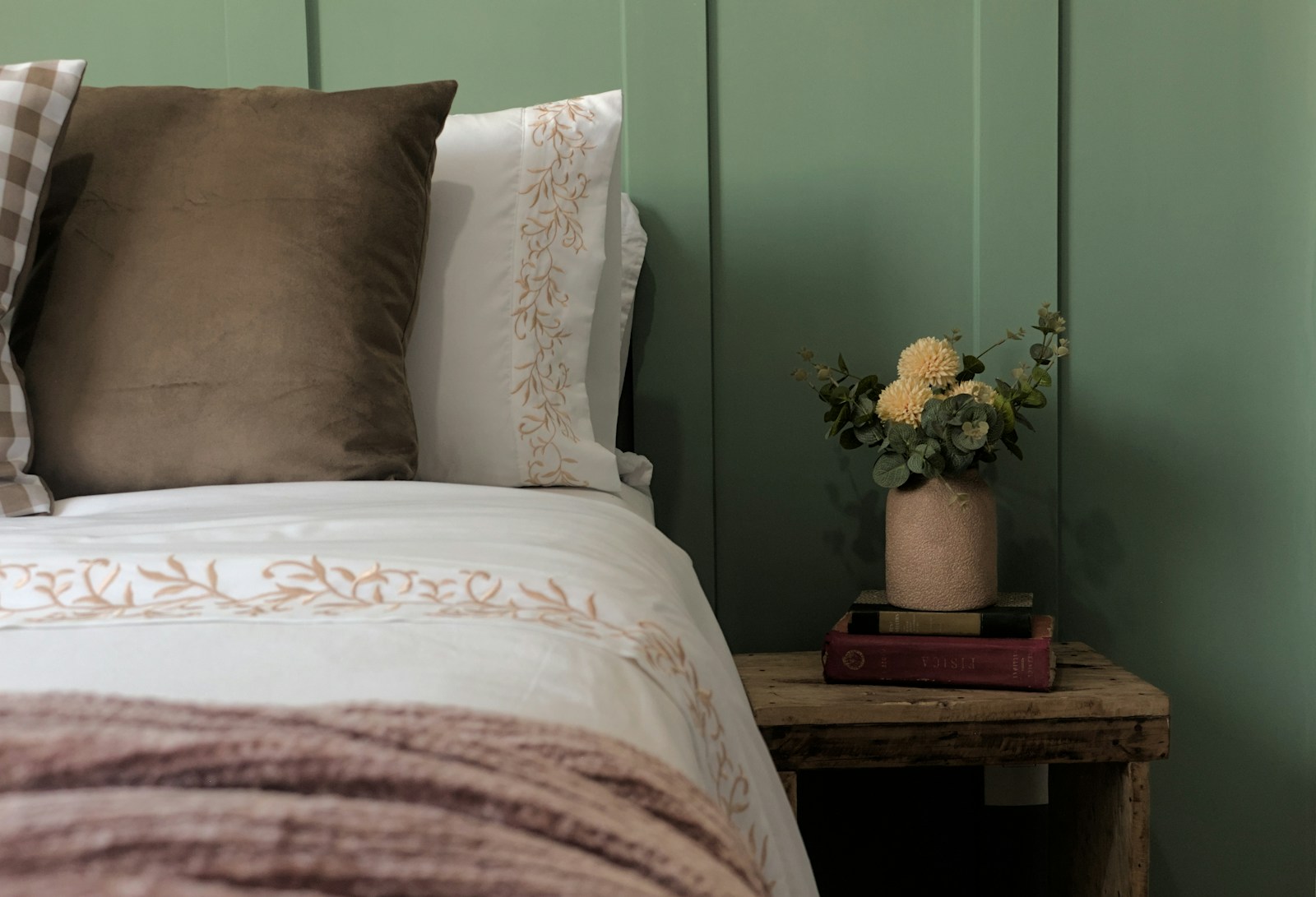
Not all shades of blue suit the seaside. Avoid bright, electric, primary blues: they belong in the realm of flags, not landscapes. Look instead for blues... faded, laden with grey or green — horizon blue, pale slate blue, linen blue, celadon green, eucalyptus green. These are the colours of a sea on a cloudy day, and they are what carry the style.
Should you paint a wall blue? Rarely necessary, but very effective when placed correctly: on the end wall of a hallway, in a bookcase alcove, on wainscoting halfway up, or on the inside of an open cabinet. On these small surfaces, a grayish blue creates depth without darkening the room. On all four walls of a living room, the same blue overwhelms the space and absorbs the light.
A word about stripes, often considered the signature of style: they work provided they are thin, two-tone, and discreet—ecru and gray, ecru and faded blue—on only one textile in the room. A tablecloth, or cushions, or a throw: never all three.
The materials that do all the work

If I had to summarize the seaside decoration The idea is simple: style is almost entirely about materials and their feel. Five families are enough, each with a specific role. Textiles provide flexibility, wood provides structure, braided fibers provide warmth, ceramics provide detail, and lime gives texture to the walls.
Washed linen and thick cotton: the textile does most of the work
THE washed linen Linen is the signature material of the style, for a very practical reason: it creases. This soft, slightly undone crease speaks of a lived-in home rather than a showroom. Curtains, sofa covers, tablecloths, bed linens: wherever the fabric falls, washed linen provides the right drape. Thick cotton—waffle-weave, tightly woven, honeycomb—plays the same role on throws and towels. Conversely, a satin polyester or a shiny synthetic voile is enough to negate all the work done on the walls.
It is also a European fiber: according to the’European Flax & Hemp Alliance, Three-quarters of the world's long-fiber flax production takes place in France, Belgium, and the Netherlands. The most suitable material for this style is therefore also one of the most local—which, for us, matters as much as aesthetics. To choose your sheets, our guidelines on the quality bed linen worth the detour.
Driftwood: where to find it and how to use it?

THE driftwood It is the only truly marine material in this style, and the easiest to misuse. Its beauty comes from the interplay of water and salt: open fibers, rounded edges, and an irregular silvery gray. It disappears as soon as it is painted, varnished, or assembled into the silhouette of a fish. The rule: raw, whole, in very small quantities—a branch on a shelf, a piece as a coat hook, a section as a lamp base.
Where can you find it? Washed up on the shore after a storm, along riverbanks, or from artisans and antique dealers who resell it cleaned. Be aware, however, that collection may be regulated depending on the location, particularly in protected natural areas and the public maritime domain. Check with the town hall or the site manager — the Coastal Conservancy, The organization, which manages several hundred coastal sites, outlines the specific rules for each. In all cases: take very little, and never from a vegetated dune.
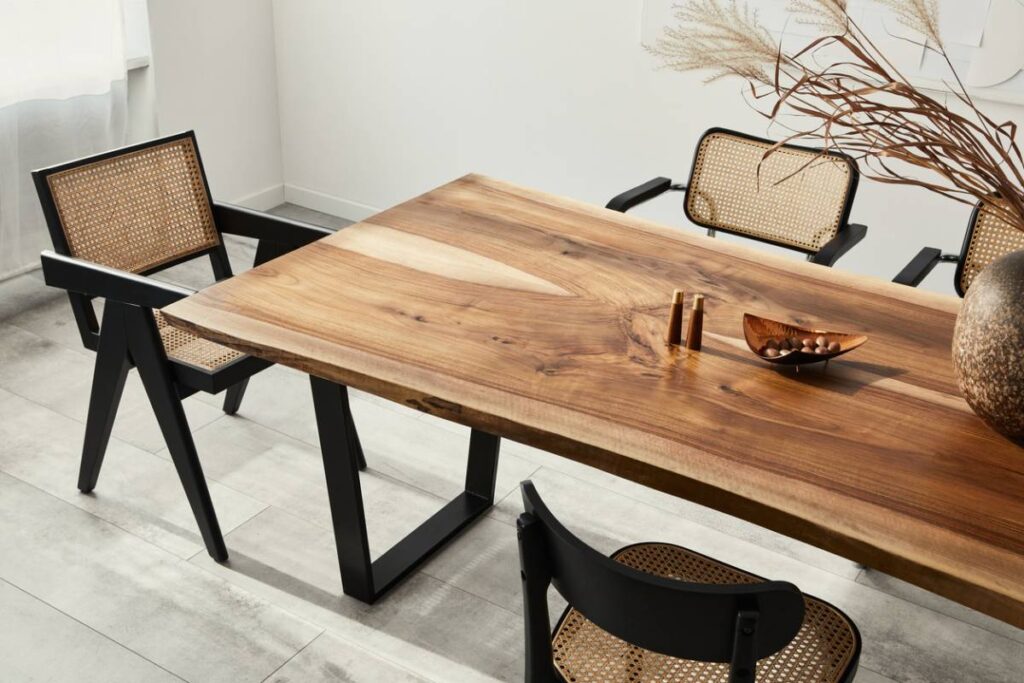
Next to it, we install some light raw wood For the structure: pine, poplar, ash, bleached or cerused oak, with an oiled and matte finish. The vintage furniture, slightly patinated, with paint peeling on the edges, works perfectly — it's the effect of a family home, passed down rather than bought.
Rattan, seagrass, jute: the fibers that warm you up
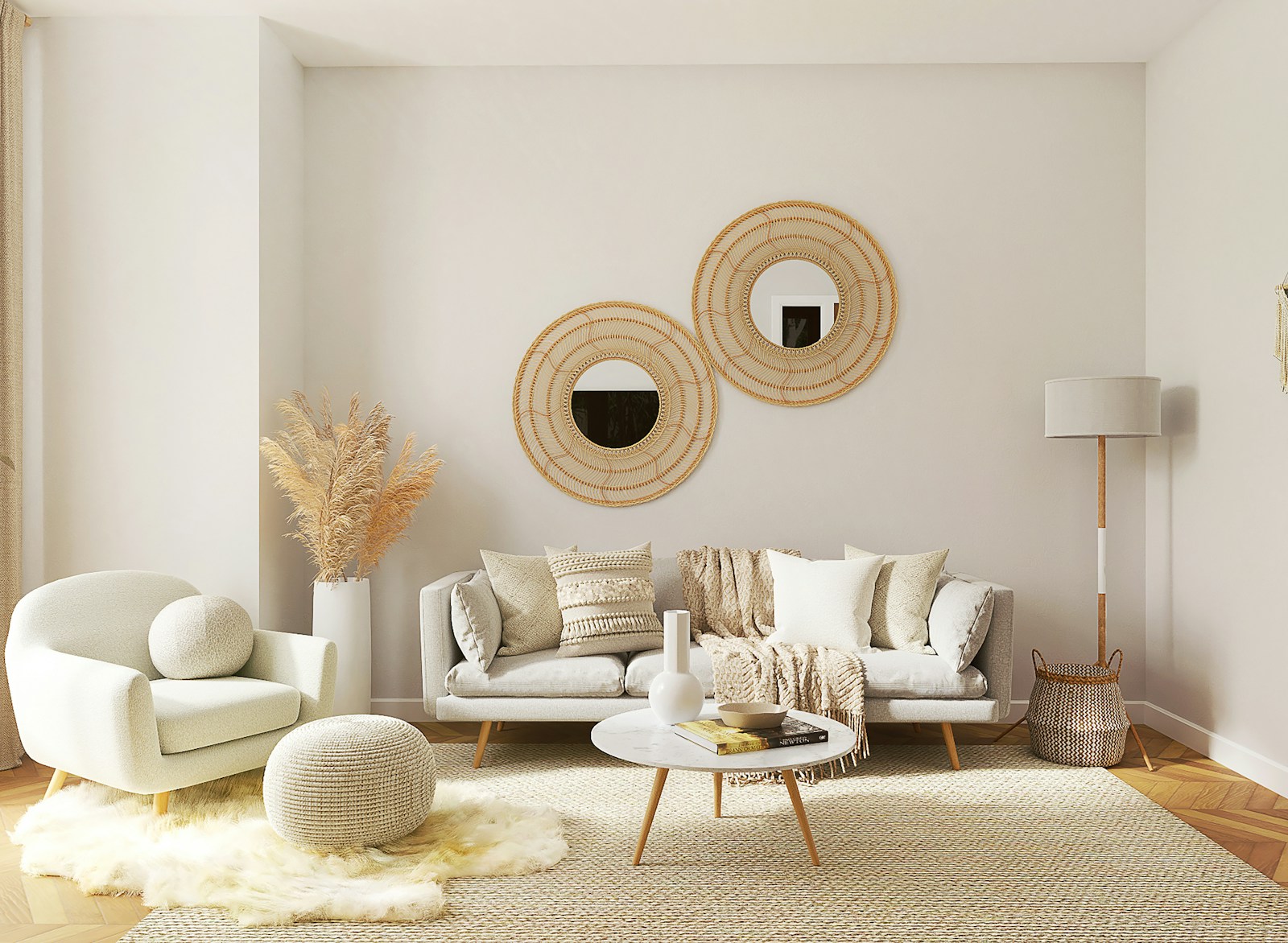
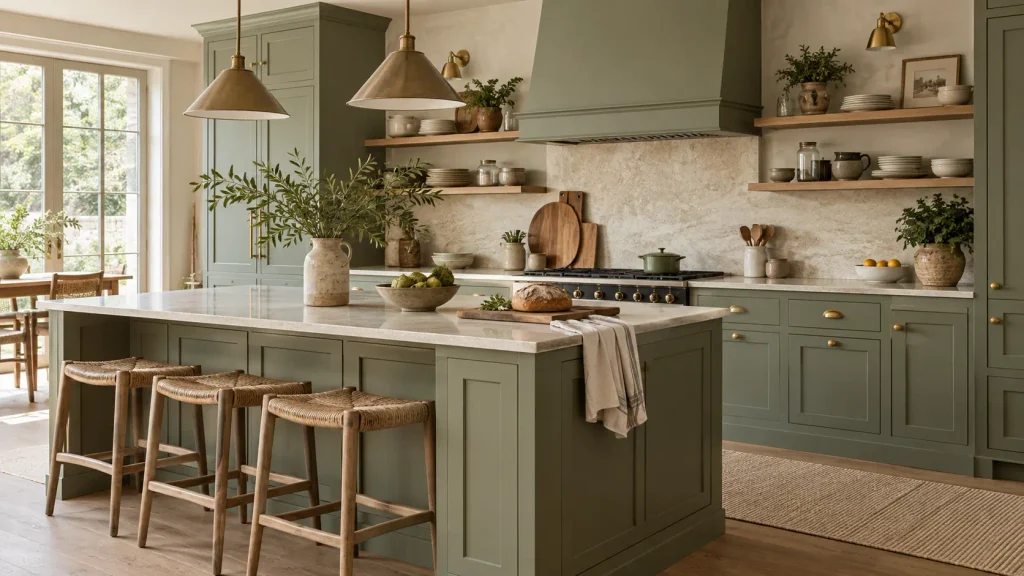
Without woven fibers, a seaside interior becomes cold and somewhat dreary. They provide counterweight: texture, shade, warmth. rattan for seating, suspension systems and headboards; the sea rush for living room rugs, whose tight weave is very resistant to foot traffic; the jute and sisal for large light-colored rugs; wicker for storage baskets, which are a great alternative to plastic boxes.
There remains the glazed ceramic, The detail that defines the piece: matte or slightly crackled glazes, simple shapes, cream, sand, and gray-blue tones. And for the walls, if you're renovating, a lime plaster gives it that vibrant texture that plastic paint cannot produce — the light moves in it according to the time of day.
💡 Tip Before buying anything, take stock of the synthetic materials visible in the room: polypropylene rugs, polyester voile curtains, shiny velvet cushions, plastic baskets. Replace two of them with their natural equivalents (seagrass, cotton voile, wicker). This is the most transformative step in a room, and it requires no construction work.
Atlantic, Mediterranean, chic: your variant
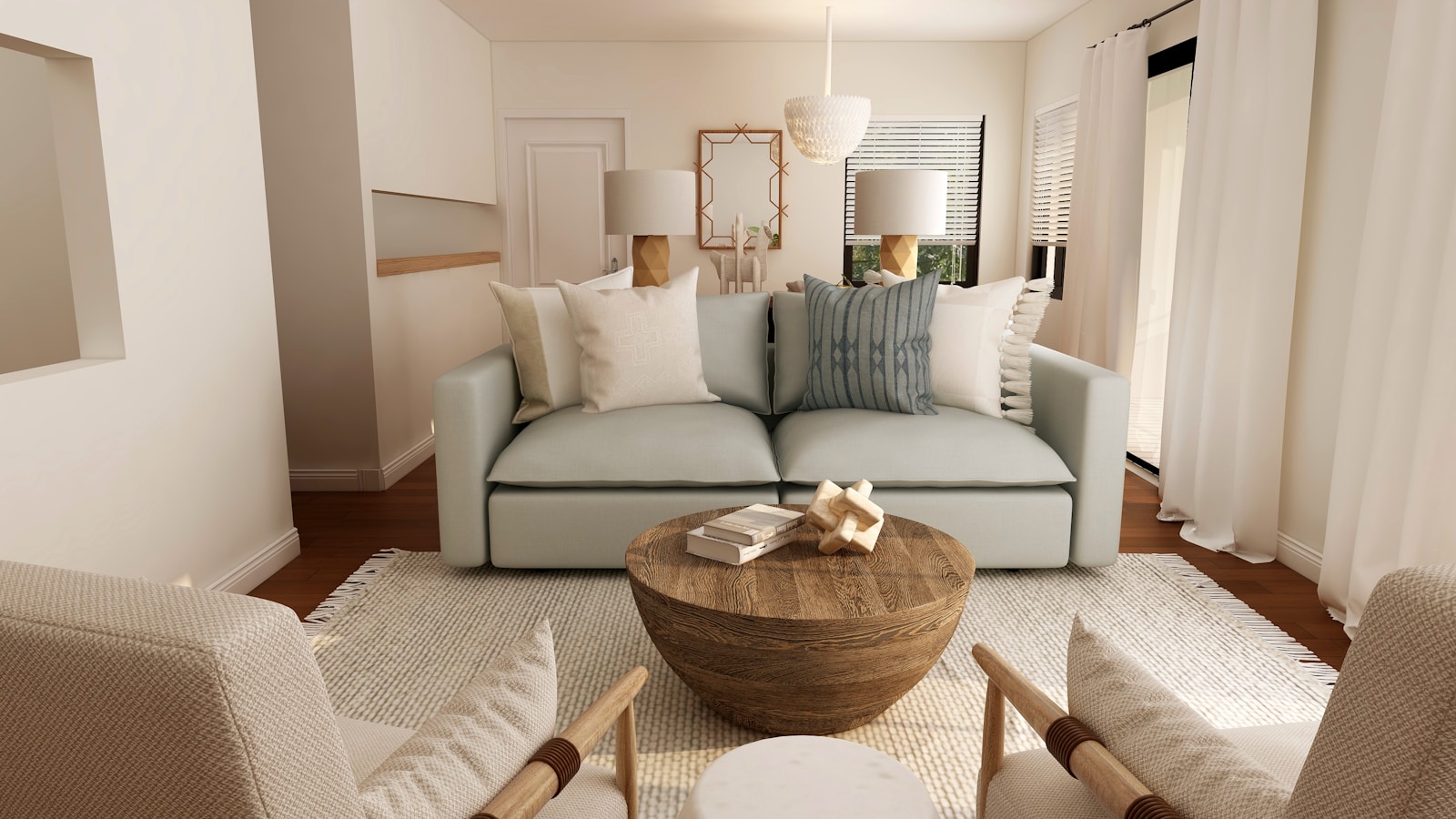
«"Seaside" actually encompasses several distinct styles, and this is often where interiors go off the rails: Mediterranean lime plaster, Breton wood paneling, and the brass of a chic living room are mixed together, and nothing works. Choose one style, stick with it, and the coherence will naturally follow.
Atlantic and northern coastline: understated and luminous
This is the most understated version, the one found in houses on the Atlantic coast, the English Channel, and the northern shores. Lots of off-white, of light wood, Painted wainscoting halfway up the walls, shades of grayish blue, and an omnipresent pebble gray. The furniture is simple, somewhat rustic, often vintage; the textiles are thick—wool, heavy linen, waffle-weave cotton—because the climate demands comfort. The atmosphere is fresh, calm, almost austere: that's precisely its charm.
This style shares much with the Scandinavian aesthetic: the same light woods, the same taste for simplicity, the same obsession with light. If this is the direction that appeals to you, our guide to the Scandinavian bedroom decor provides directly transferable reference points.
Mediterranean seaside: lime, terracotta and deep blue
A complete change of temperature. Here the light is harsh and abundant: the decor absorbs it instead of capturing it. Walls with lime thick, soils in terracotta or in terracotta tiles, olive wood, wrought iron, woven cotton, patterned earthenware. The blues become deeper and coexist with olive green and ochre; shadow is a material in its own right.
This variant is rich enough to warrant its own section, and we've dedicated one to it: find all our key points in our article on the Mediterranean style decor. Just remember that it's not to be confused with the Atlantic version — painted paneling and lime plaster don't tell the same story.
What is chic seaside decor?
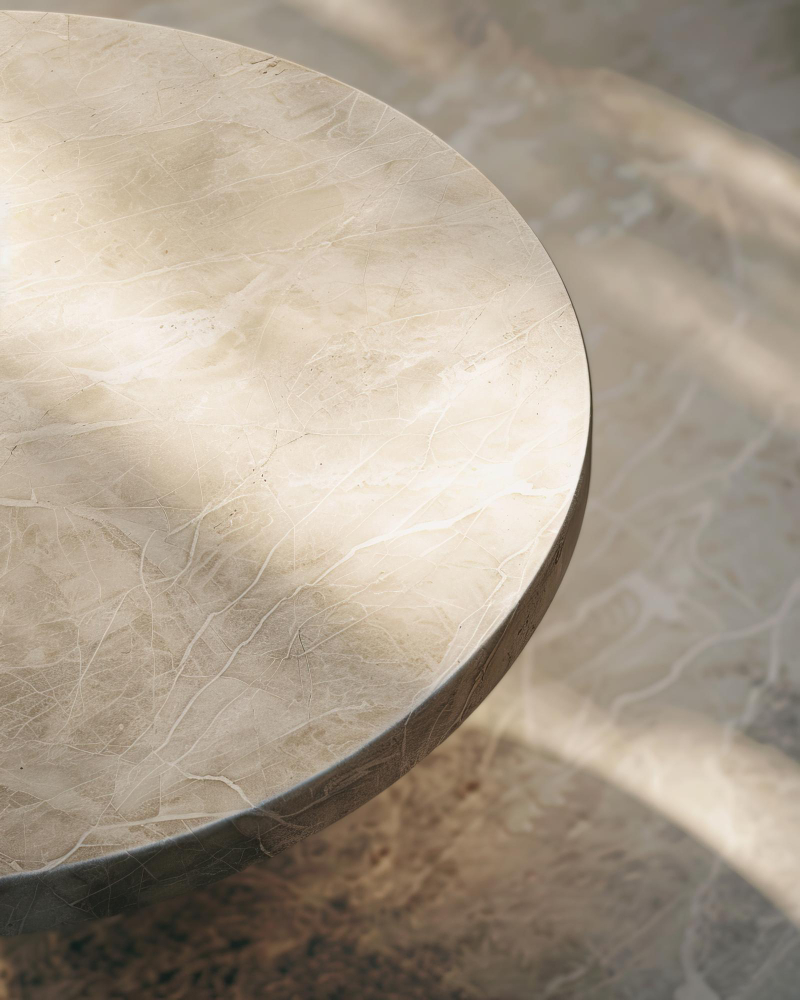
There chic seaside decor is the urban and dressed-up version of the style. The neutral palette is retained entirely, but the finishes are upgraded and the lines are tightened: thick linen rather than crinkled linen, cotton velvet, light marble or travertine on a tabletop, patinated brass — never bright gold — on lighting fixtures and hardware, large format mirrors with wooden frames.
Two differences in approach compared to the rustic version: first, symmetry—pairs of lamps, pairs of armchairs, aligned picture frames; chic comes from order. Second, the almost total absence of nautical objects: the sea is now only a color and a light. Here are the four variations at a glance:
| Variant | Palette | Signature materials | Right objects |
|---|---|---|---|
| Atlantic / Nordic | Off-white, pebble grey, greyish blue, ecru | Light wood and painted paneling, heavy linen, wool, matte ceramic | Ceramic lamp, wicker basket, coastal watercolor, wool blanket |
| Mediterranean | Whitewash, warm sand, deep blue, olive green | Lime plaster, terracotta, olive wood, woven cotton, wrought iron | Terracotta jar, patterned earthenware, cotton curtain, glass lantern |
| chic seaside | Ecru, ivory, light taupe, slate blue | Thick linen, cotton velvet, light marble, patinated brass | Large mirror with wooden frame, blown glass vase, linen lampshade, pair of lamps |
| Bohemian, beachy vibe | Sand, white, pale terracotta, sea green | Jute, seagrass, rattan, waffle cotton, driftwood | Jute rug, woven fiber hanging planter, cotton pouf, driftwood branch |
Room by room: living room, bedroom, bathroom
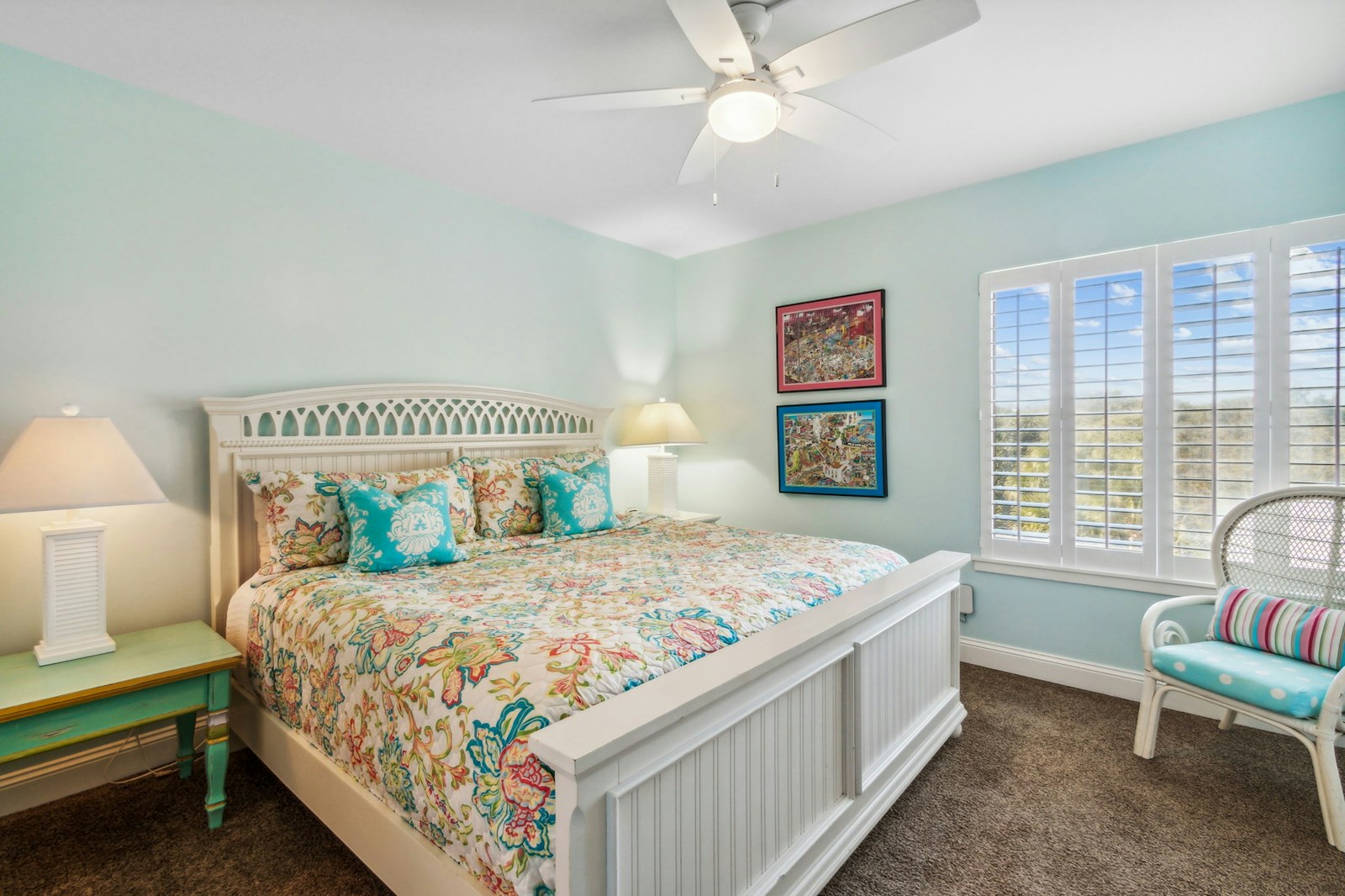
The most interesting aspect remains: the execution. The process is almost always the same—to clear away the material, filter the light, replace a synthetic material with a natural fiber. What changes from one piece to another is the starting point.
The living room: framing the light, lightening the floor
In a living room, everything is decided by the floor and the windows. A large seagrass rug or jute, wide enough to fit under the front legs of the sofa, immediately unifies the room. At the windows, a linen voile that falls to the floor, on a rod placed high: the room appears taller and the light is diffused instead of stark.
The sofa should be chosen with a linen or thick cotton cover, in ecru or sand, preferably removable—a seaside interior should be experienced barefoot, with sand and a dog. A light wood or rattan coffee table, a pair of ceramic floor lamps rather than a ceiling light, and two or three decorative objects on the surfaces. To warm up the overall look without overwhelming it, here are our ideas for cozy lounge they pair very well with this light base.
The room: linen, light, almost nothing
This is the quickest room to transform, because a single element occupies most of the visual field: the bed. A bedding set in washed linen Off-white or sand-colored fabric, left intentionally wrinkled, is enough to set the mood. Add a headboard in woven rattan or light wood, two mismatched bedside tables of the same height, and a warm-light lamp on each side.
On the floor, a washed cotton or light jute rug; on the walls, off-white, perhaps wainscoting painted in a grayish blue behind the bed. And above all: keep surfaces clear. A successful seaside bedroom contains few objects, plenty of textiles, and direct access to morning light.
The bathroom: the easiest room
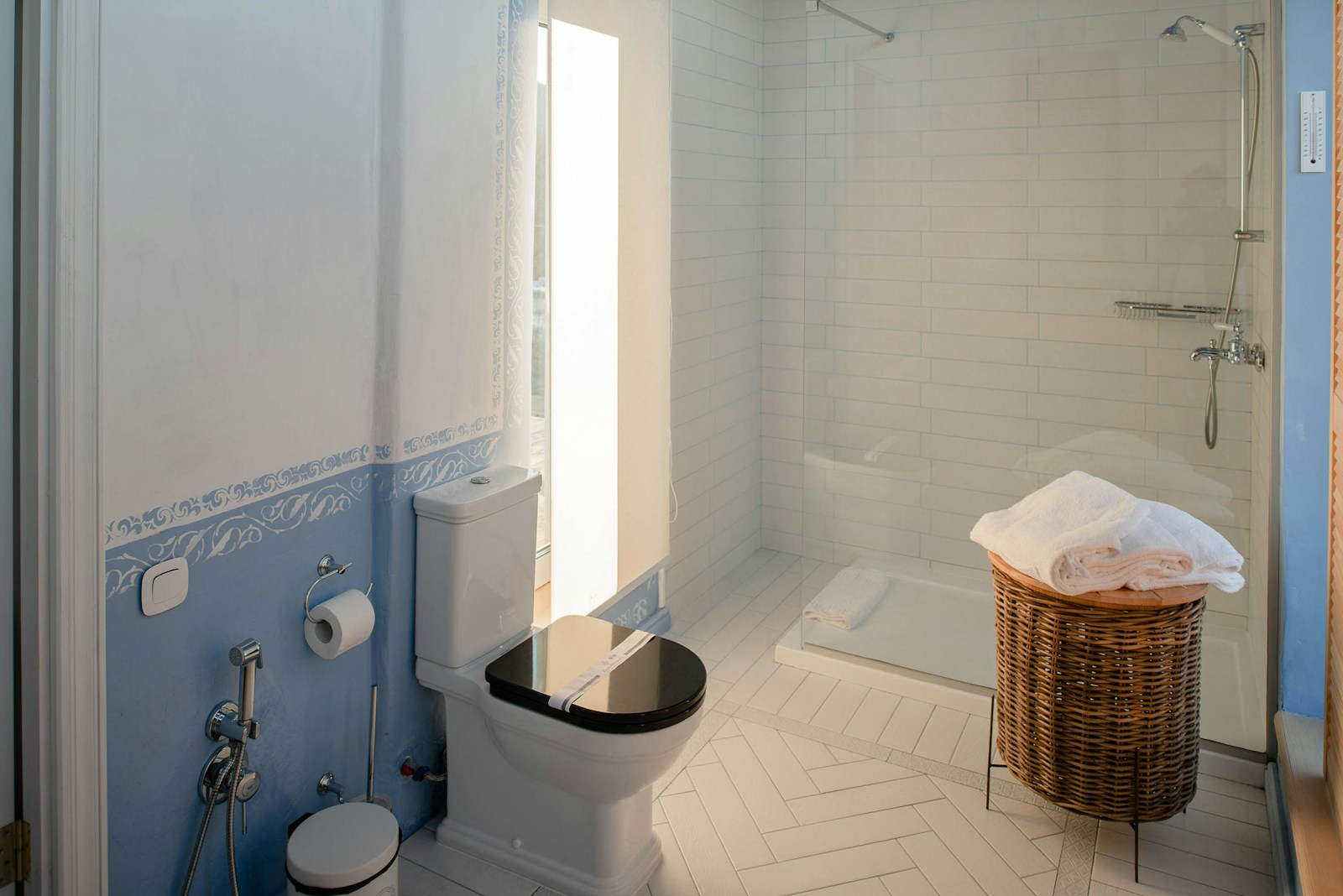
The bathroom has one advantage: it's already white, tiled, and associated with water. Three simple steps are all it takes. First, the textiles: ecru, light gray, or faded blue waffle-weave cotton towels, stacked prominently on a shelf rather than hidden away. Second, the wood: a teak stool or duckboard, a mirror with a raw wood frame, an oiled oak shelf—near water, it simply requires a suitable oil and proper ventilation.
Finally, the containers: one woven basket For laundry, use matte ceramic or glass containers for brushes and soap instead of colorful plastic bottles. If you're renovating, zellige-style tiles with irregular shades will add the texture that this room often lacks. And to get started this weekend, without any work, here's the order I would follow:
- Clear all horizontal surfaces in the room, then only put three objects back.
- Replace the curtains with a linen or ecru cotton voile, on a rod placed high.
- Change a major textile to washed linen or thick cotton: sofa cover, bed linen, or tablecloth.
- Place a rug made of seagrass, jute or sisal, larger than you thought you would take.
- Add a single colorful piece — a throw, a vase, two cushions — in a grayish blue or aqua green.
- Move an existing mirror to face the window, and observe the room in the late afternoon.
You'll see: after these six steps, no one will ask if you've "done a seaside" look. They'll tell you the room feels bigger and more airy. That's precisely the goal—and the definition of successful style: invisible, yet present everywhere.
Want to explore other sides of the seaside?
Discover Mediterranean decorFAQ: Your questions about seaside decor
What color should I choose for a house by the sea?
Start with a base of warm neutrals: off-white, ecru, sand, pebble gray. Then add a single blue—more grayish on the Atlantic coast, deeper in the Mediterranean—and perhaps a seafoam green. Three colors are enough: it's the light that does the rest, not the color chart.
How to decorate a seaside apartment?
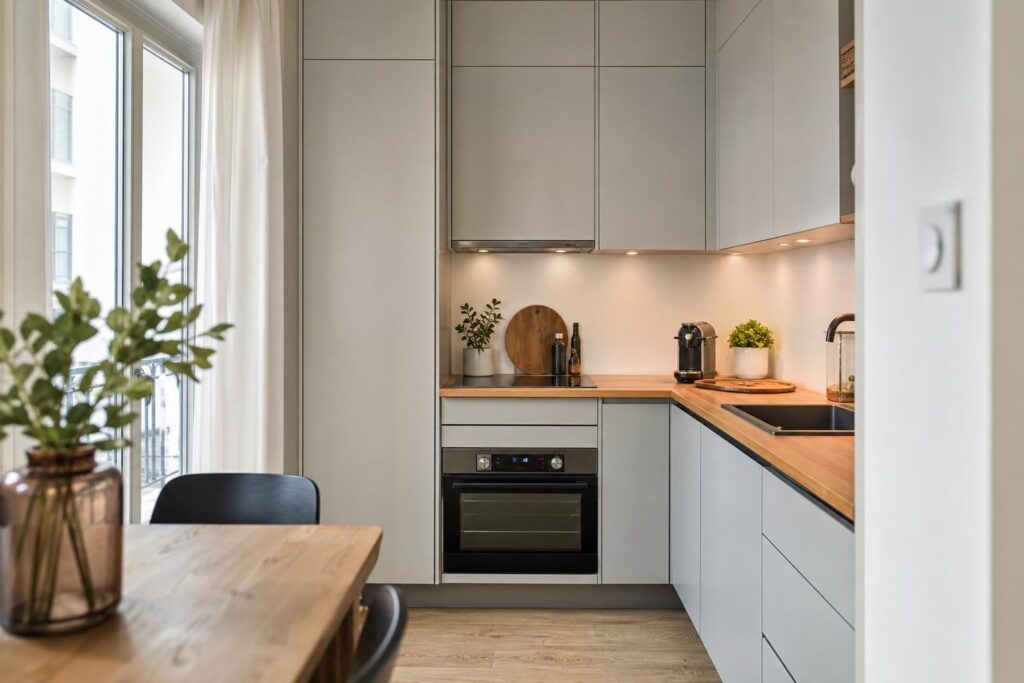
In an apartment, keep it simple: off-white walls, ecru cotton voile curtains to filter the light, a seagrass rug, washed linen on the sofa. One or two objects are enough — a matte ceramic vase, a wicker basket — and nothing more.
What are the essentials for a seaside decor?
Just three categories: natural textiles (washed linen, heavy cotton), woven fibers (rattan, seagrass, jute), and light-colored or driftwood. Complete the look with matte glazed ceramics and a mirror to reflect light. Nautical objects, however, are never essential.
How to create a contemporary seaside decor in a living room?
Keep the lines clean and the palette simple: an off-white sofa in thick linen, a light wood coffee table, a jute rug. Add just one touch of grayish blue, perhaps in a cushion or ceramic piece. Leave the windows almost bare and keep surfaces clear: emptiness is modern.
What furniture should I choose for a seaside-style terrace?
Choose materials that age well outdoors: unvarnished teak or acacia, off-white matte aluminum, sand-colored woven resin. Add thick cotton cushions in ecru and gray stripes, a glass lantern, and a large basket. Bring the textiles inside as soon as the weather turns.
How to make your own seaside decorations?
The most authentic DIY project is the simplest: a piece of driftwood placed on a shelf, pebbles as bookends, a raw wood frame around a coastal watercolor. Collect few items, choose carefully, and leave the materials in their natural state—without paint or glossy varnish.