When temperatures drop, few things bring as much comfort as a burning wood stove. The flames dancing behind the glass, the crackling of the wood, and the warmth radiating throughout the room all contribute to creating a cozy atmosphere, perfect for long winter evenings.
But behind this cozy atmosphere lies an appliance that requires a minimum of attention. Regular maintenance not only keeps the fireplace looking beautiful, but also ensures more efficient combustion, reduces wear and tear on components, and contributes to the safety of the entire house. Among the often-overlooked elements is a small but essential part: the fire grate.
In this article
The wood stove, much more than just a heater
Long considered a purely functional piece of equipment, the wood stove has now become a true element of interior decoration.
Whether in a country house, a mountain chalet, or a contemporary interior, it naturally draws the eye. Its design, materials, and the presence of the fire often make it the centerpiece of the living room. It warms both the atmosphere and the occupants and fully contributes to the character of the home.
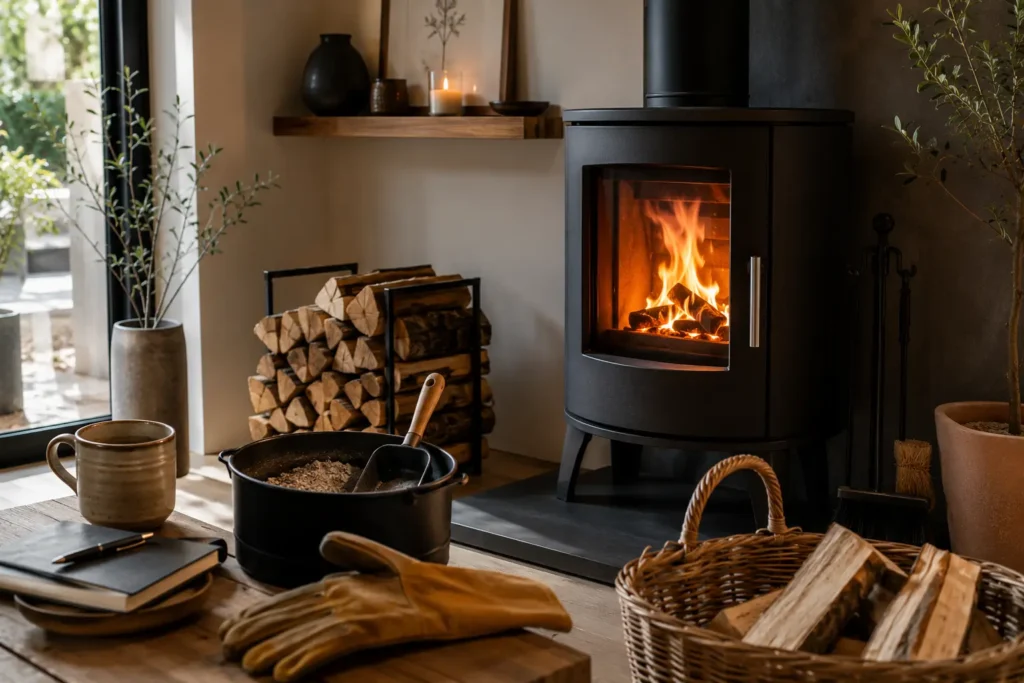
This is also one of the reasons why many owners take care of their appliance. A clean glass door, well-maintained cast iron, and a firebox in good condition help preserve the stove's elegance over the years.
But beyond the aesthetic aspect, regular maintenance also ensures better heating performance and more controlled wood consumption.
A small room that plays an essential role in the home
When we think about maintaining a wood-burning stove, we spontaneously imagine cleaning the glass or sweeping the chimney. However, certain internal parts are just as important. The cast iron grate is one of these essential components for the proper functioning of the appliance.
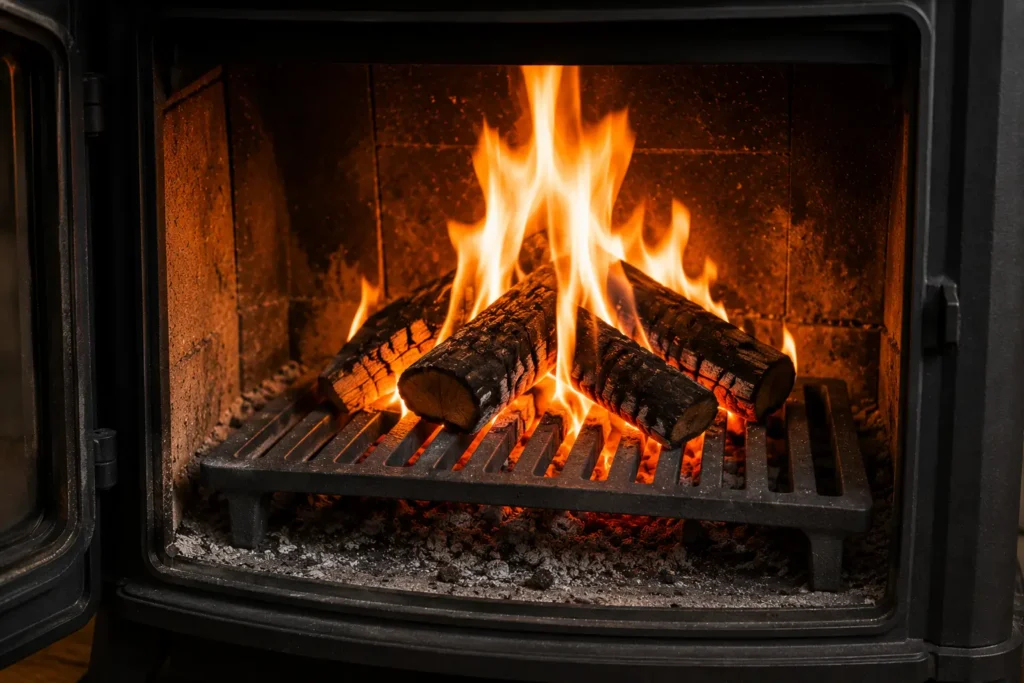
Placed at the back of the fireplace, it fulfills several essential functions:
- It supports the logs during combustion
- It allows the ashes to fall into the ashtray.
- It promotes air circulation under the fire in order to achieve more efficient combustion
- It protects the bottom of the fireplace from the highest temperatures.
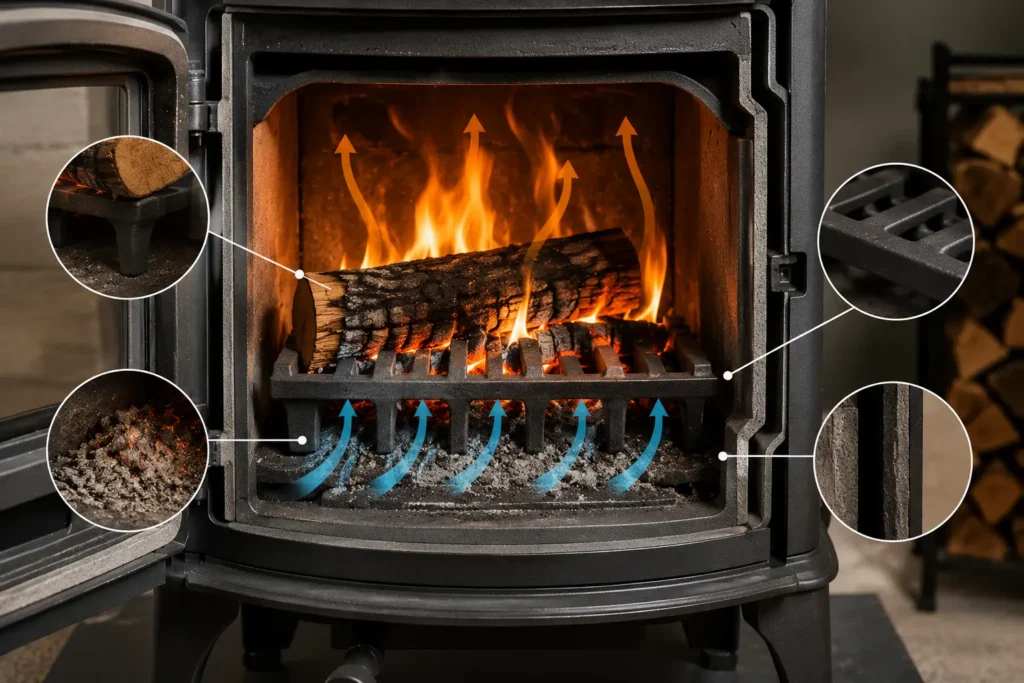
Without this air circulation, the wood burns less efficiently. Efficiency decreases, more smoke is produced, and the fireplace gets dirty more quickly.
This part is subjected to extreme stress. The temperature increases, successive cooling cycles, and the weight of the logs naturally weaken the cast iron. Like any wear part, it therefore deserves to be regularly inspected.
Signs that it's time to replace your fireplace grate
A fire grate doesn't usually break overnight. Several signs can help you anticipate its replacement before it impairs the proper functioning of the stove.
The first sign is the appearance of cracks or broken bars. Over time, cast iron can become brittle under the effect of high temperatures and gradually lose its strength.
Sometimes, some of the bars become deformed. The logs then no longer rest properly, and the ashes accumulate unevenly.
You may also notice that the fire is harder to catch, the flames are less intense, or the draft seems less efficient. In many cases, this is simply due to poor air circulation under the firebox.
Finally, if the ashes no longer fall properly into the container provided for this purpose, their accumulation further limits the supply of oxygen and reduces the quality of combustion.
These various symptoms are often a sign that it is time to replace this part in order to restore optimal functioning.
Choosing the right new fireplace grate
Not all fireplace grates are interchangeable.
Each manufacturer designs its own dimensions, shapes, and fixing systems. Choosing an approximate model can prevent proper installation or degrade the stove's performance.
Before placing any order, it is therefore recommended to note the exact reference of your device as well as the dimensions of the part to be replaced.
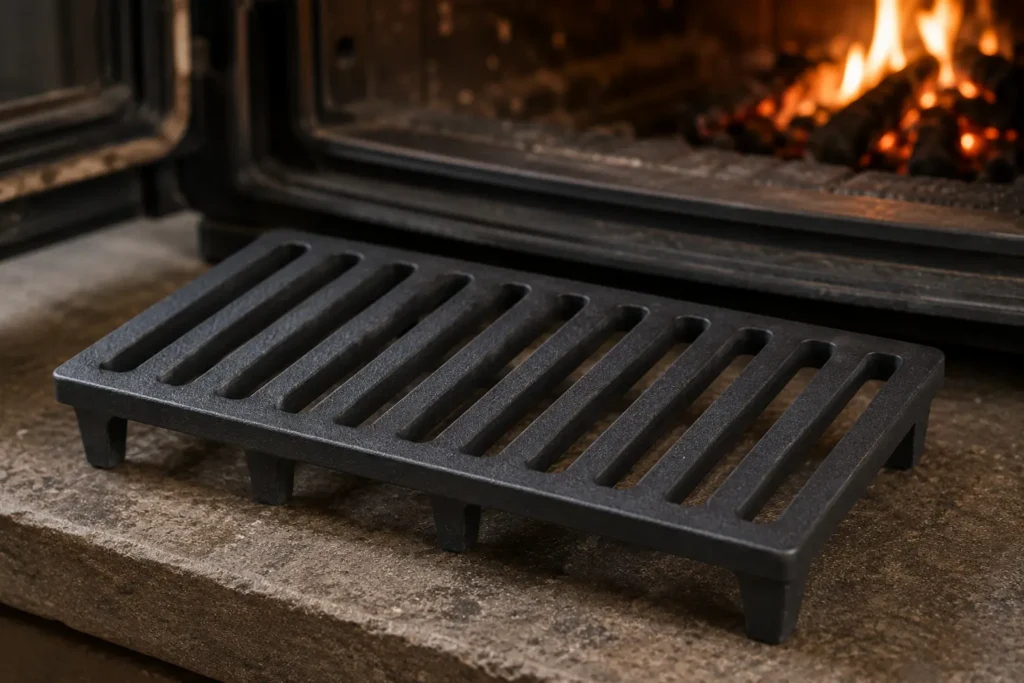
For devices of this brand, it is best to opt for a Invicta fire grate Perfectly compatible with the model in question. A suitable part ensures easier installation, better airflow, and operation in accordance with the manufacturer's original specifications.
Taking a few minutes to check compatibility often avoids unpleasant surprises when it comes time to replace it.
Replacing a fireplace grate: an accessible operation
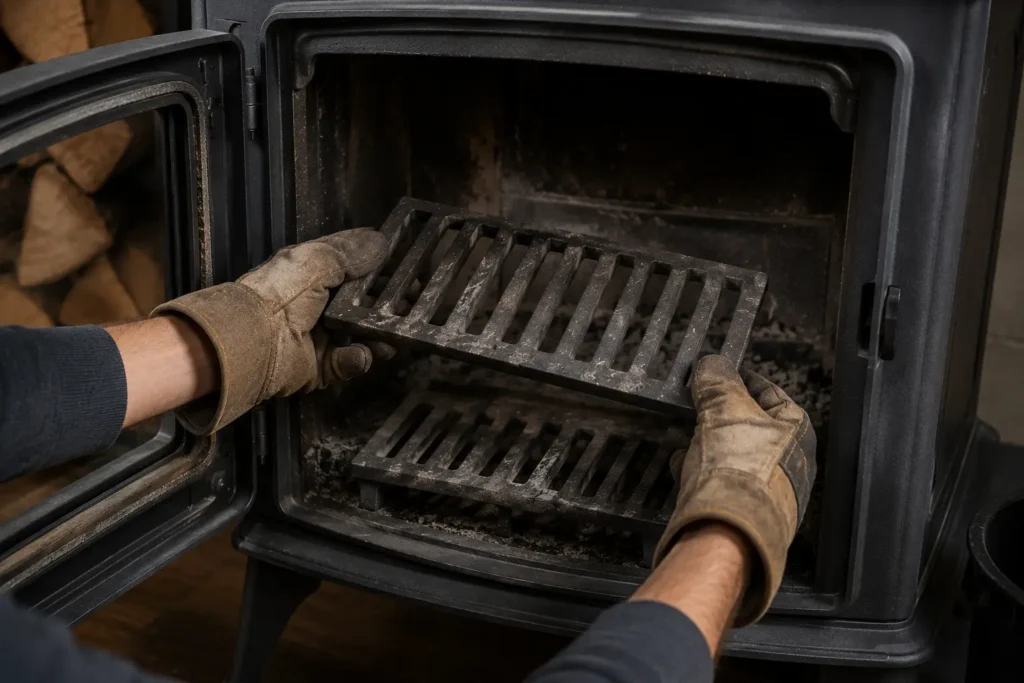
In most cases, replacing a fire grate is a relatively simple task. It is, of course, essential to wait until the stove is completely cold before doing anything.
Start by removing the ashes and any residue from the firebox. Take this opportunity to thoroughly clean the bottom of the appliance and check the overall condition of the other components. The old grate can then be removed and replaced with the new one, ensuring it is installed correctly.
Once the installation is complete, simply light the stove once it's lit to check that everything is working properly and that combustion is at full efficiency. This usually only takes a few minutes but often significantly extends the stove's lifespan.
A few simple steps to extend the life of your stove
Replacing a fireplace grate is part of a more comprehensive maintenance of the appliance.
A few good habits can help to preserve your installation in the long term:
- use only well-dried wood;
- Empty the ashtray regularly without waiting for it to overflow;
- clean the window with a suitable product or a gentle method;
- check the condition of the door seals;
- have the chimney sweeping carried out in accordance with the regulations in force.
These actions limit fouling, improve energy efficiency and reduce the risk of premature wear.
A well-maintained home, an interior that is always welcoming
The charm of a wood-burning stove lies not only in its aesthetics. Its ability to radiate pleasant and consistent heat also depends on the good condition of each of its components.
While the fire grate often goes unnoticed, its role is crucial to the quality of combustion and the longevity of the appliance. By regularly checking it and replacing it at the first signs of wear, you will not only preserve the performance of your stove, but also the comfort of your home for many winters to come.