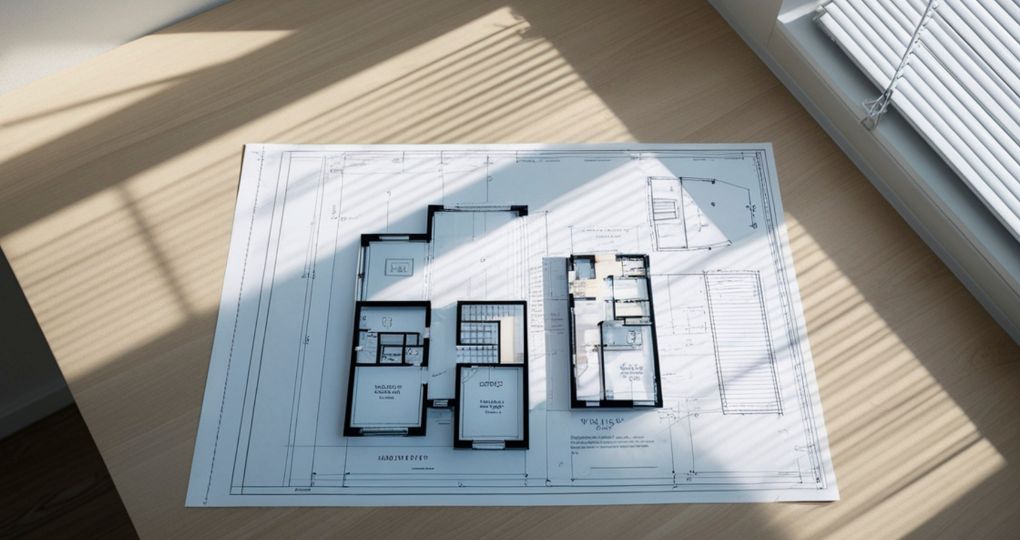
Old houses possess an incomparable charm. Their wooden windows, period ironwork, and small panes tell a story and contribute fully to the character of the home. Yet, behind this authenticity sometimes lies a less pleasant reality: persistent drafts, a feeling of cold near the windows, intrusive outside noise, or a heating bill that keeps rising.
Faced with this situation, many homeowners believe it's necessary to replace their windows entirely. However, when the frames are still in good condition, there's a much gentler solution: replacing only the glazing. This approach improves the home's thermal and acoustic comfort while preserving its original character. Let's explore this further in this article.
In this article
Why does double glazing really change the comfort of a home?
In older homes, windows are often one of the main sources of heat loss. Single glazing allows heat to escape easily in winter and promotes temperature fluctuations throughout the year. As a result, heating is used more frequently, rooms are less comfortable, and some areas near windows remain constantly cold.
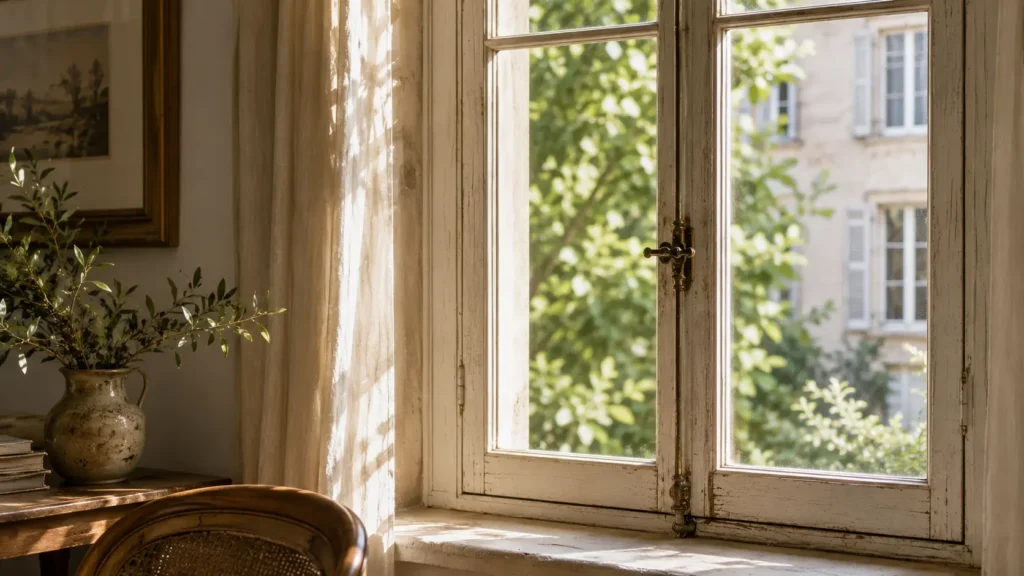
Installing double glazing limits heat exchange thanks to a layer of air or gas trapped between two panes of glass. This simple yet highly effective principle immediately improves home comfort. Temperatures become more consistent, drafts are significantly reduced, and heating needs gradually decrease.
The benefits aren't limited to energy efficiency. Double glazing also provides excellent protection against noise pollution. Whether you live in the city center, near a busy road, or in a lively neighborhood, acoustic comfort is often one of the first improvements noticed after the work is completed.
For owners of older homes, this solution offers another major advantage: it allows them to preserve windows and doors that are sometimes a century old, made from high-quality wood. Rather than replacing an element that contributes to the charm of the house, its performance is simply improved.
Why is custom-made essential in renovation?
Unlike modern buildings, older houses rarely have perfectly standardized dimensions. Over time, the structures have shifted, some openings have been altered, and each window often has its own unique characteristics. A few millimeters of difference are sometimes enough to render a standard pane of glass unusable.
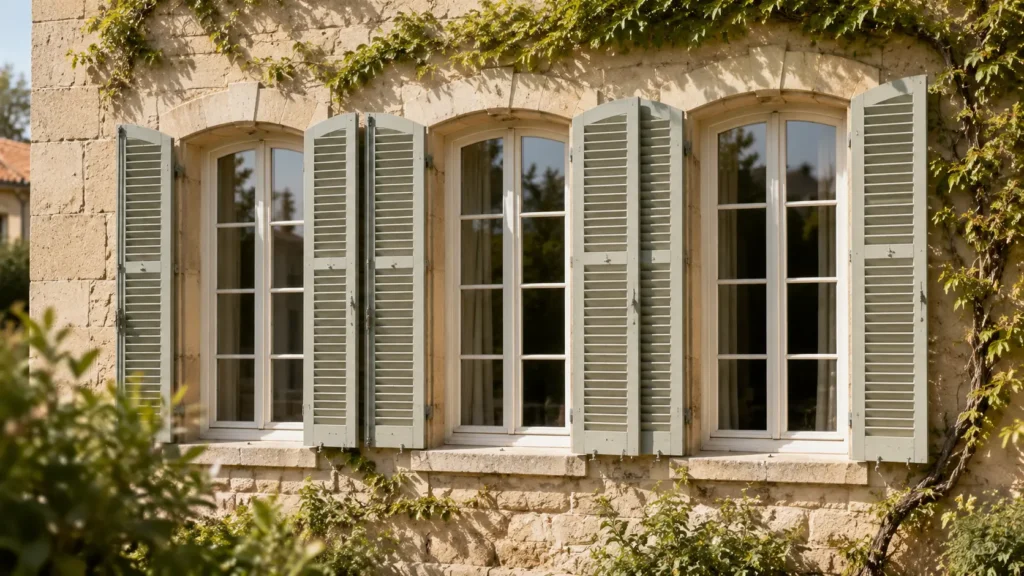
This is especially true in period homes, colonial-style residences, or renovated farmhouses, where every opening contributes to the building's architectural identity. In this context, replacing only the glazing becomes a particularly relevant solution, provided that it is manufactured to precisely the correct dimensions.
For this type of configuration, the most suitable solution remains the custom-made double glazing for renovationdesigned to fit perfectly into the existing window without requiring complete replacement of the joinery.
This approach preserves the original aesthetics of the facade while limiting the scope of the work. The window frames are retained, masonry repairs are avoided, and the overall cost of the project is generally much lower than that of a complete window replacement.
How does a renovation project unfold?
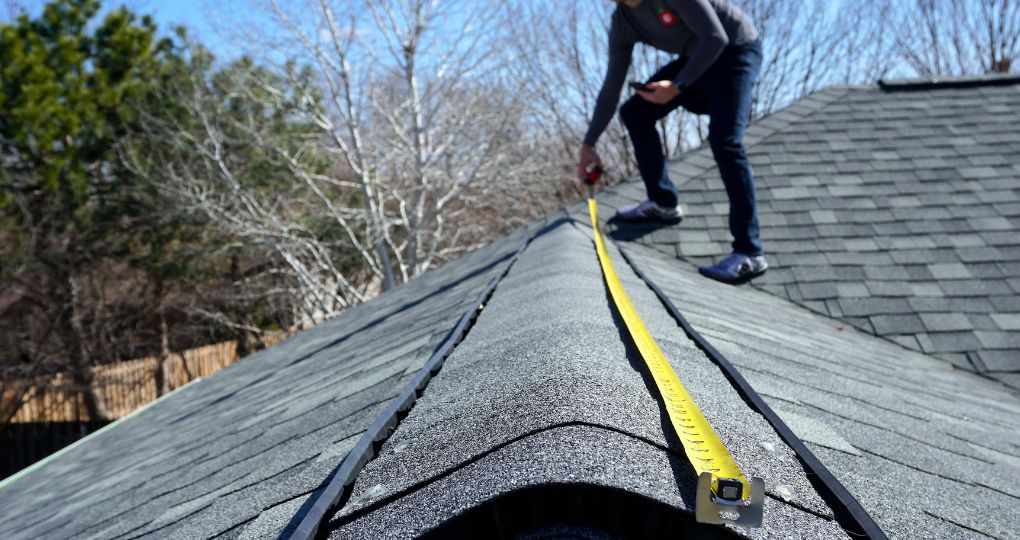
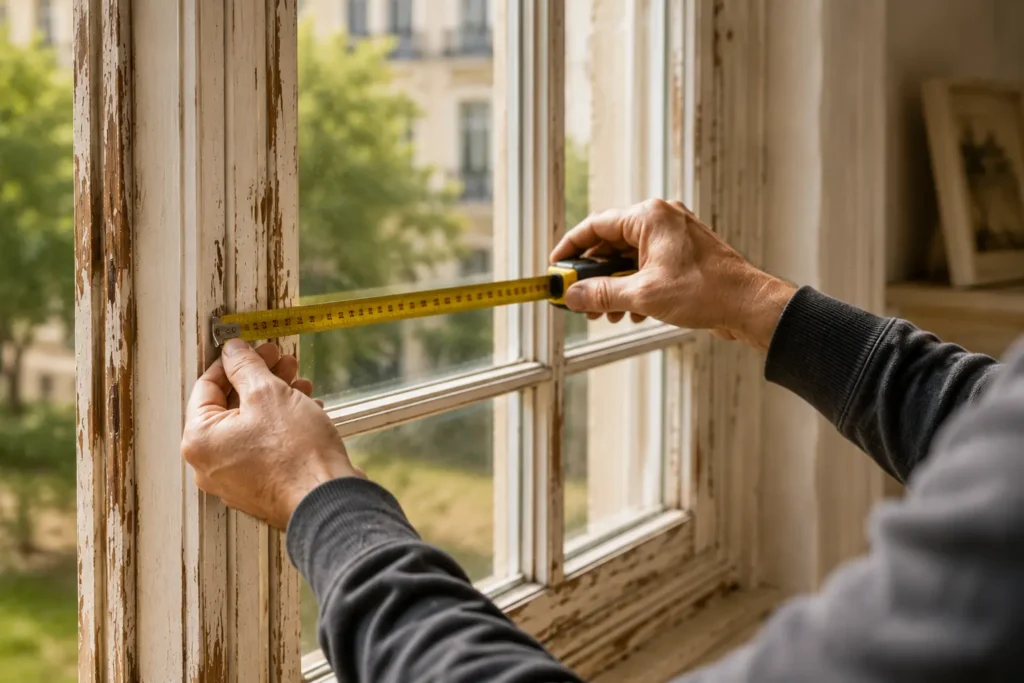
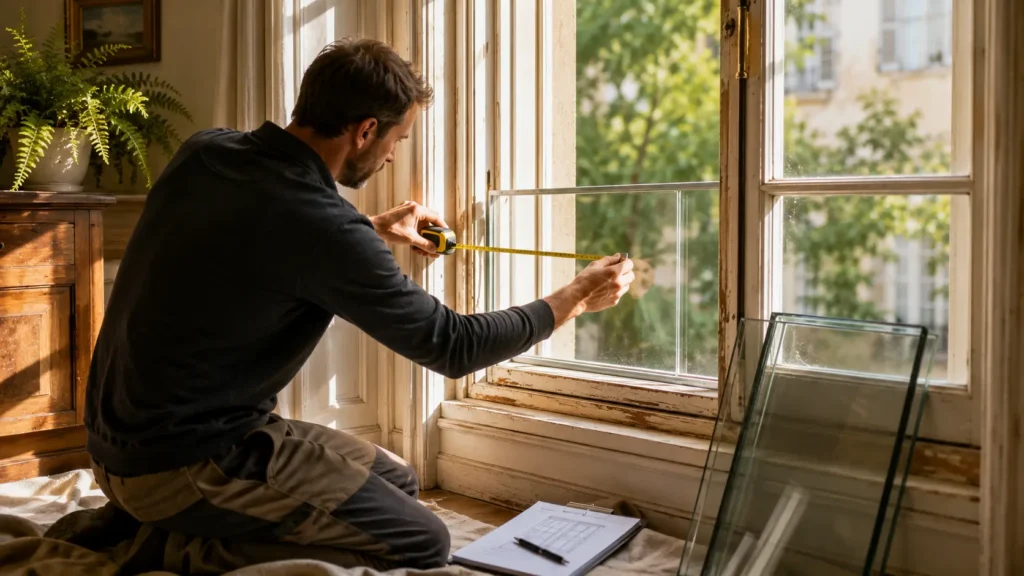
Replacing a window pane is often simpler than you might think. The first step is to accurately measure the dimensions of the existing pane. This measurement is essential because each pane of glass will be custom-made for the specific window.
Once the dimensions have been confirmed, the desired performance levels must be chosen. Several solutions exist depending on the needs of each home:
- double glazing with enhanced thermal insulation
- Acoustic glazing to reduce noise pollution
- safety glass more resistant to impacts
- Solar control glazing for rooms with high exposure
After manufacturing, the glazing can be installed by a specialist craftsman or, in certain simple configurations, by a homeowner with good DIY skills. In all cases, this operation is much less involved than a complete window replacement. The work is faster, causes minimal damage, and preserves the architectural character of the house.
What budget should be planned to replace only the glazing?
The cost of custom-made double glazing depends primarily on the window dimensions, desired performance, and chosen options. As a guide, here are the typical price ranges.
| Type of glazing | Indicative budget |
|---|---|
| Small window | 80 to 150 € |
| Standard sized window | 150 to 300 € |
| Large bay window or specific glazing | Starting from €300 |
These amounts are generally more affordable than a complete window replacement, which often involves removing the old frames, finishing work, and masonry work.
Over the years, this investment can also be offset by savings on heating costs. In addition, improved thermal comfort, enhanced sound insulation, and increased property value all contribute to a lasting improvement in daily life.
Preserving the charm of the old without sacrificing comfort
Renovating a characterful house often involves finding the right balance between authenticity and modernity. Old wooden windows are an integral part of its identity and often deserve to be preserved when they are still in good condition.
Replacing single glazing with custom-made double glazing perfectly addresses this need. Without altering the exterior appearance of the house, it becomes possible to significantly improve the thermal and acoustic performance of the dwelling. This discreet, sustainable renovation respects the heritage of the building, offering all the modern comforts without sacrificing the charm of older homes.